
Andrew Mountbatten-Windsor has launched a legal challenge against Thames Valley Police over the search warrants used during his arrest in February — marking the first public pushback from the former prince since he lost his titles, his home and his standing in the space of just a few tumultuous months.
The former Duke of York, who was arrested on suspicion of misconduct in public office on his 66th birthday, is seeking a judicial review of the warrants that allowed police to raid his residence on the Sandringham estate and his former Windsor home, Royal Lodge, in February.
The Legal Battle Begins
A private High Court hearing before Mr Justice Hilliard is taking place on Thursday afternoon to begin considering the challenge. The court will first hear a request by Thames Valley Police to keep certain documents private before any wider judicial review can proceed.
The warrants in question were issued by an Old Bailey judge on 18 February — the day before Mountbatten-Windsor's arrest — and the legal challenge is directed at both the chief constable of Thames Valley Police and the Central Criminal Court. A High Court judge has already granted permission for the judicial review to proceed.

"We are engaged in legal proceedings in relation to warrants previously obtained from the Central Criminal Court. As these legal proceedings are currently ongoing, it would be inappropriate for us to comment further."
That statement from Thames Valley Police confirms the force is taking the challenge seriously, though detectives have been clear that their broader investigation into Mountbatten-Windsor continues, with the force previously noting it has been working with the United States Department of Justice to gather further information related to the inquiry.
What He Hopes to Achieve
Criminal lawyer Nick Vamos, a partner at Peters & Peters and former head of special crime at the Crown Prosecution Service, has offered a measured assessment of what success might actually look like for Mountbatten-Windsor.
"Even if Andrew succeeds in having the search warrants quashed, that would not necessarily be the victory it might first appear," said Vamos, noting that police can apply back to the Crown Court to retain seized material if they have grounds to immediately seize it again.

In other words, quashing the warrants on a technicality would not automatically force the police to hand back whatever they found during searches at Marsh Farm in Sandringham and at Royal Lodge — searches that continued for several days following his arrest. Only a more fundamental flaw in the granting of the warrants would compel the return of that material.
A Historic and Extraordinary Moment
The Daily Telegraph, which first reported the legal challenge, noted that this represents the first time a member of the royal family has challenged the lawfulness of criminal proceedings against them since the trial of Charles I in 1649 — a comparison that carries more than a little irony, given that Charles I argued no court had the legal power to try him, and was subsequently found guilty of high treason and beheaded in Whitehall.
Mountbatten-Windsor's situation, while clearly of an entirely different order, is nonetheless extraordinary by any modern measure. He was the first senior royal in centuries to be arrested, and the cascade of consequences has been swift and severe. King Charles stripped his brother of his right to be a prince and of his dukedom over his association with the late financier Jeffrey Epstein. Charities and businesses have distanced themselves from him. And the Epstein files, released by the US Department of Justice, included emails appearing to show official documents being shared by Mountbatten-Windsor with Epstein and others at a time when he served as the UK's trade envoy.
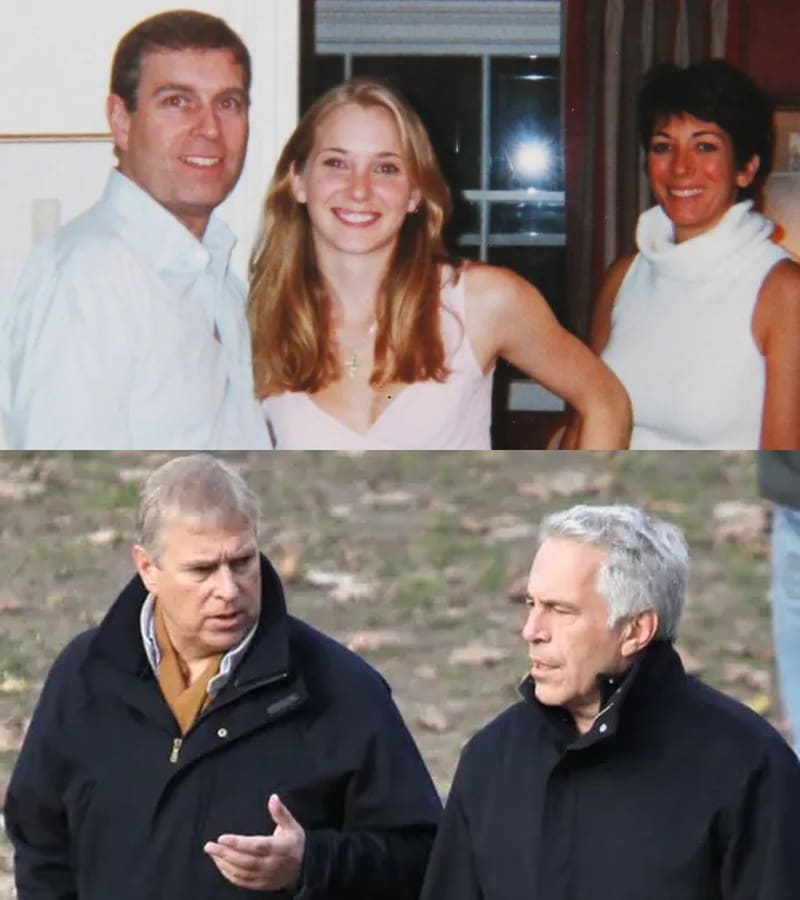
Mountbatten-Windsor was interviewed under caution following his arrest before being released under investigation. No charges have been filed. He has consistently denied any wrongdoing in his associations with Epstein. Thames Valley Police has confirmed its investigation is ongoing, and has also indicated that allegations of sexual misconduct could be considered as part of the inquiry into potential misconduct in public office.
Whether this High Court challenge amounts to a genuine legal strategy or a final, defiant act from a man who has already lost almost everything, Thursday's private hearing will at least begin to determine whether the warrants themselves were lawfully granted — and what, if anything, comes next.