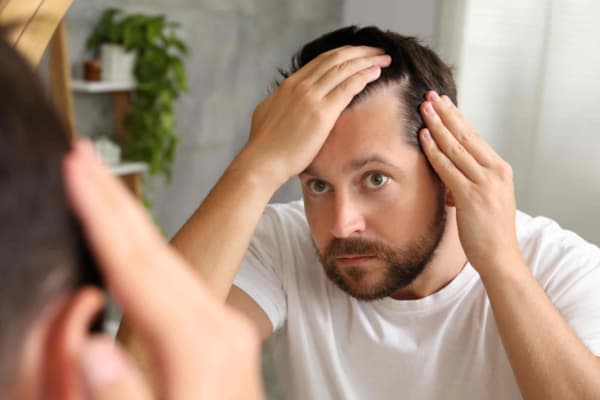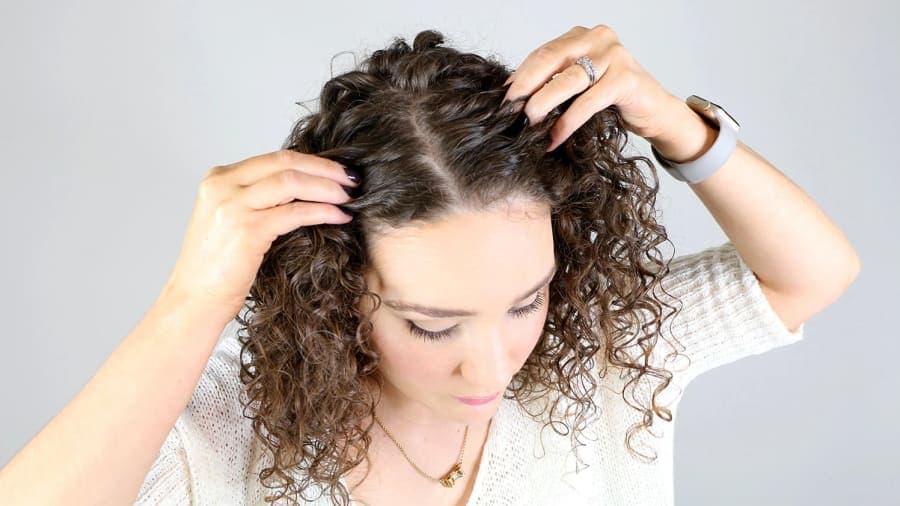
The scalp issue millions of us are quietly suffering with
Most of the time, we don't give our scalp a second thought — until it starts demanding attention. Whether it's a persistent itch after washing, an uncomfortable tightness, or a burning sensation that no product seems to fix, scalp sensitivity is far more common than many people realise. Studies suggest that around four in ten adults describe their scalp as sensitive, with symptoms ranging from itching and tingling to redness and discomfort. And yet, despite how widespread the problem is, it remains widely misunderstood.
It's not always dandruff — and that's where people go wrong
One of the biggest misconceptions around scalp discomfort is that flaking must be the cause. In reality, a sensitive scalp can occur even when there are no visible signs whatsoever — no flakes, no redness, nothing you'd spot in a mirror. Symptoms can include tightness, burning, tenderness and persistent itching, all of which can appear on a scalp that looks perfectly normal to the naked eye. Heat, certain haircare products and environmental stressors are among the most frequently reported triggers, and experts increasingly believe the root causes lie in two key areas: the scalp barrier and the scalp microbiome.
Your scalp has a barrier — and you might be damaging it
Much like the skin on your face, your scalp has a protective outer layer designed to lock in moisture while keeping out irritants, allergens and harmful microorganisms. When it's working properly, you barely notice your scalp at all. But repeated exposure to harsh cleansing agents, environmental stressors, hard water, cold weather and even central heating can wear that barrier down over time. Once compromised, the scalp loses moisture more easily, leaving it feeling dry, tight and far more reactive. Many people first notice something is wrong immediately after washing — that telltale tightness is often one of the earliest warning signs that the barrier has been disrupted.
"Repeated exposure to harsh cleansing agents, environmental stressors or excessive washing can weaken this protective layer. A compromised scalp barrier often leads to increased water loss, leaving the scalp feeling dry, tight and more vulnerable to irritation."
The microbiome matters more than you might think
Your scalp is also home to a diverse community of bacteria, yeasts and microorganisms — and far from being something to scrub away, many of these play a vital role in keeping your scalp balanced and healthy. This is your scalp microbiome, and when it's disrupted — by aggressive shampoos, environmental stress or skin barrier damage — research suggests it can lead to increased inflammation, irritation and sensitivity. Fragrance, certain preservatives, harsh detergents and highly concentrated essential oils are all common culprits when it comes to triggering discomfort. If your symptoms are severe or persistent, it's worth speaking to a GP or dermatologist, as underlying conditions such as eczema, psoriasis, seborrhoeic dermatitis or allergic contact dermatitis may be playing a part.