Buckingham Palace is at war with Earl Spencer over explosive claims in his forthcoming memoir about Princess Diana — and royal watchers are already calling the Palace's response unlike anything they have seen before.
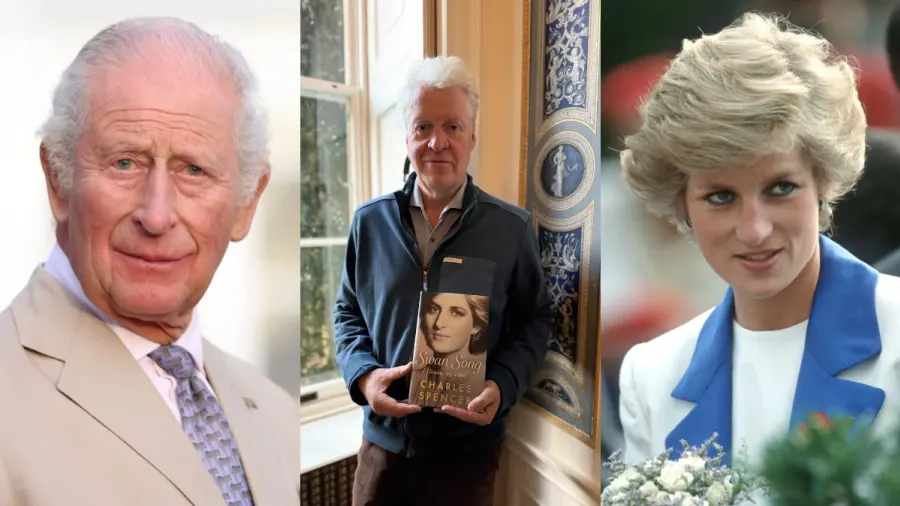
The row centres on Swan Song: Diana, My Sister, Earl Spencer's new book due to be published next week and serialised in the Daily Mail, in which Diana's brother alleges that King Charles made a devastating remark to him in the days following her death in Paris on 31 August 1997.
The Claim That Has Shaken the Palace
According to excerpts from the book, Charles Spencer alleges that the then-Prince of Wales called him in a fury after Spencer objected to Princes William and Harry — then aged 15 and 12 — being made to walk in their mother's funeral procession. In the book, Spencer writes that the Prince "unleashed down the phone what I have always taken to be his pent-up contempt for Diana, and his horror that the world was so bowled over by her death."
"Rest assured," he hissed, "we'll forget her soon enough."
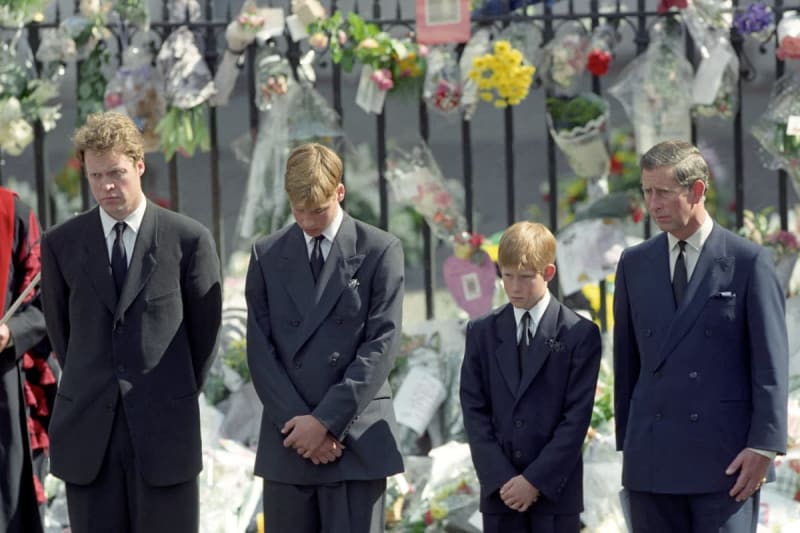
It is a claim that has prompted a rare and pointed rebuttal from the Palace — one that royal commentators have scrambled to put into context. Ingrid Seward, editor-in-chief of Majesty Magazine, described the official statement as extraordinary in its directness.
"It's unprecedented as far as I can think. It's very unusual, let's say. I imagine it's because the King was very upset and wanted to set the record straight — more on behalf of his sons than anything else."
The Palace Hits Back — Hard
The official response from Buckingham Palace was careful in its wording but unmistakable in its intent. "While we do not comment on books as a matter of principle, His Majesty is mindful that the pain of fraternal grief can cloud reason, affect judgment and colour memory in ways others do not recognise, even many years after such a loss," a Palace spokesperson said.
The language echoes Queen Elizabeth's now-famous response to Harry and Meghan's 2021 claims of racism within the Royal Family — when the Palace noted that "recollections may vary." Both statements walk the same tightrope: denying without directly denying, challenging without confronting outright.
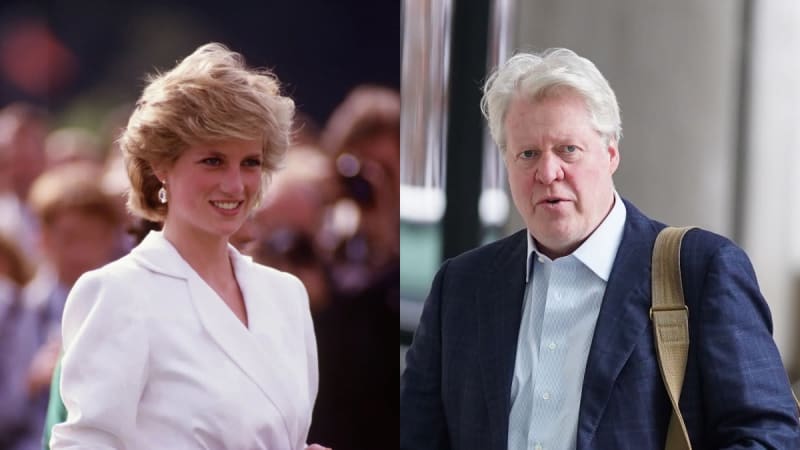
Julian Payne, the King's former communications secretary, told the BBC that the alleged comments were "just not language that I recognise," adding that the "highly unusual" Palace statement demonstrated the "strength of feeling" behind closed doors. The Palace's view, sources suggest, is that the claim is entirely out of character for a man of deeply compassionate nature who was, at the time, managing his own grief as well as that of his two young sons.
Old Wounds, New Pages
The feud between the Spencer and Windsor families has never truly gone away. It flared publicly in 1997 when Charles Spencer delivered his blistering eulogy at Diana's funeral — a speech widely interpreted as a pointed rebuke of the Royal Family — and has resurfaced repeatedly in the decades since, not least through Netflix's The Crown.
The timing of this latest flare-up is particularly fraught. The row has landed on an already crowded day in the royal calendar, with King Charles, Prince William and the Princess of Wales all attending engagements, and Prince Harry making his first significant public appearance since returning to the UK. Adding to the drama, copies of Earl Spencer's unreleased book were reportedly stolen from a delivery truck in the Netherlands earlier this week.
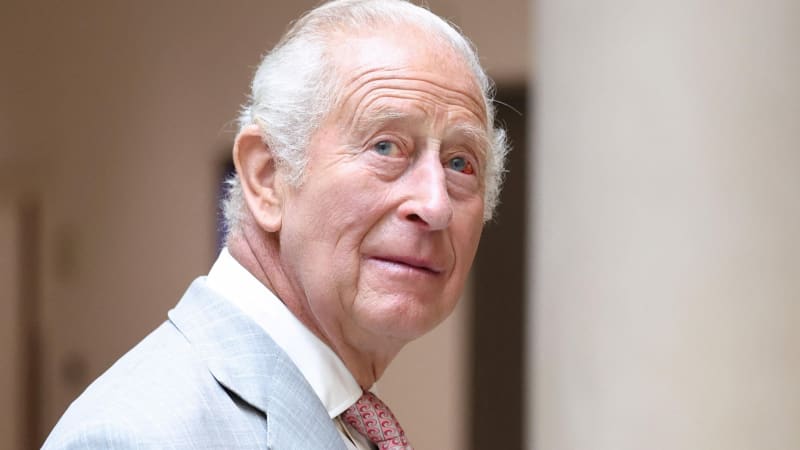
The King, meanwhile, is pressing ahead with his scheduled programme. On Thursday he is due to host executives from AI companies including Nvidia, Google DeepMind, OpenAI and Anthropic at Dumfries House in Ayrshire, where he will appeal to industry leaders to ensure technology remains "firmly in the service of humanity." AI minister Kanishka Narayan is expected to attend, as is Paolo Benanti, an adviser to Pope Leo XIV.
But however significant the King's AI summit may be, it is the Spencer memoir that is dominating the headlines — and threatening to drag the Royal Family back into the most painful chapter of its recent history, just as the wounds were, for many, beginning to heal.