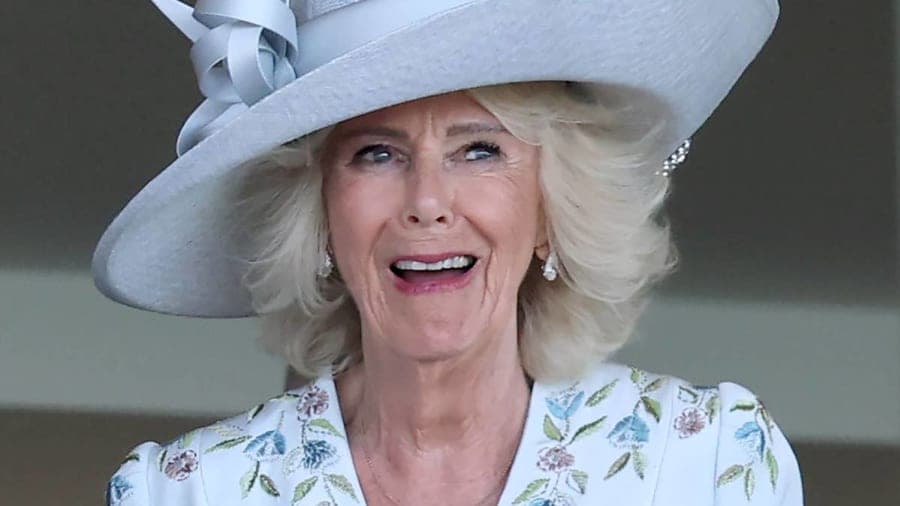
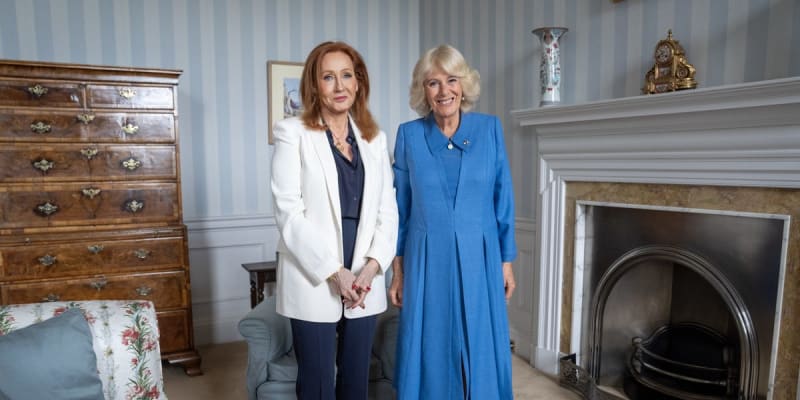
It was billed as a meeting united by a love of books and a commitment to getting children reading. But Queen Camilla's sit-down with Harry Potter author J.K. Rowling at the Palace of Holyroodhouse on 30th June has since generated considerably more controversy than goodwill — with more than 9,000 comments descending on the British royal family's official Instagram post within days of its publication.
The meeting, which took place during Royal Week in Scotland, was framed by the Palace in warmly literary terms. The photo caption noted the two women came together "with a shared passion for books and a deep commitment to children reading for pleasure", and that they "discussed the importance of ensuring that young people have access to books." A worthy enough sentiment — but the timing, and the choice of companion, proved immediately divisive.
Pride Month Timing Adds Fuel to the Fire
The meeting fell on the final day of Pride Month, a detail that was not lost on commenters. Many flooded the post with trans pride flag emojis and messages of solidarity with the transgender community, while others expressed direct disappointment in the Queen's decision to give Rowling a platform.
"As an admirer of the Queen and her Reading Room I'm deeply disappointed in her giving a platform to JKR, any month but especially during Pride Month. There are many other admirable individuals to spotlight who champion reading for children and young people."
Another commenter wrote: "Very sad to see and read while in some places in England queer books are BANNED from libraries and schools." The response was swift enough that Instagram's comment settings on the post were subsequently limited — a feature that restricts who can comment or automatically hides posts containing certain words — though the comments section remained partially open to some users.
Rowling at the Centre of a Long-Running Storm
Rowling has been one of the most prominent public figures in Britain's increasingly heated debate over transgender rights. Her views have drawn criticism from many, including several actors from her own Harry Potter franchise. Emma Watson, who starred in all eight original films, has said that "trans people are who they say they are and deserve to live their lives without being constantly questioned." Eddie Redmayne, star of the Fantastic Beasts spin-offs, has stated plainly: "Trans women are women, trans men are men and non-binary identities are valid."
Rowling herself has shown little sign of stepping back. In April 2025, she posted a photo to X appearing to celebrate the UK Supreme Court's ruling that the legal definition of a woman is based on biological sex, captioning it: "I love it when a plan comes together." On the question of her reputation, she has previously been characteristically unapologetic.
"I do not walk around my house thinking about my legacy."
A Difficult Position for the Palace
For Camilla, whose Reading Room initiative has become a genuine and well-regarded part of her public identity, the episode represents an uncomfortable collision between literary passion and political controversy. The Queen has worked hard to establish herself as a thoughtful, bookish consort — her reading club and advocacy for literacy have won her real admiration — and many of those now expressing disappointment online are doing so precisely because they previously held her in high regard.
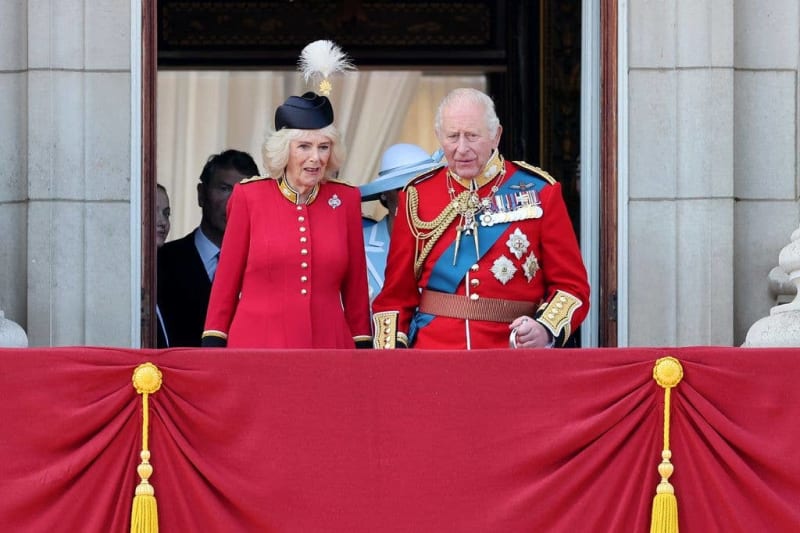
The Palace has not issued any statement addressing the backlash. Royal Week itself continues with a packed programme of engagements, including a garden party at Holyroodhouse expected to welcome around 8,000 guests, investiture ceremonies and visits across the Scottish Borders. But the noise around this particular meeting is unlikely to die down quite as quickly as the Palace might hope.
It is worth noting that the royal family has long maintained a position of strict political neutrality, and meetings of this kind are typically arranged around shared interests rather than any endorsement of a public figure's wider views. Whether that distinction will satisfy critics in this instance is another matter entirely. In an age of instant reaction and algorithmically amplified outrage, even a conversation about children's books can become a flashpoint — and 9,000 comments make that case rather eloquently.