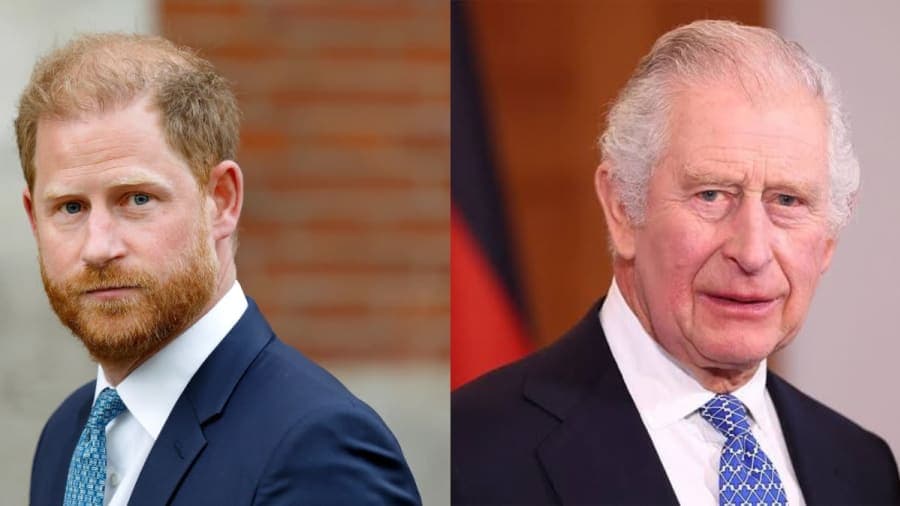
It had the makings of a fairytale moment: King Charles extending an olive branch to his estranged son, inviting the Duke of Sussex to stay at Buckingham Palace during his first trip to London with Meghan and their children in four years. For a brief, hopeful stretch, it seemed like the beginning of the end of one of the most publicly dissected family rifts in modern history.
Then, fifteen minutes after Harry accepted, the invitation was withdrawn.
According to reports, Charles spoke privately to his son to explain his reasons. Whatever was said in that conversation remains behind closed palace doors — but the whiplash effect of that reversal has left royal watchers, commentators and, one imagines, the family themselves reeling.
An Olive Branch, Then Silence
The visit had already been freighted with significance. Harry returning to London with Meghan and their children was, in itself, notable — the kind of trip that invites cautious optimism from those who have watched the estrangement drag on through years of briefings, memoirs and legal battles. Charles's reported offer of accommodation at Buckingham Palace felt like a genuine gesture of reconciliation. Baby steps, perhaps, but steps nonetheless.
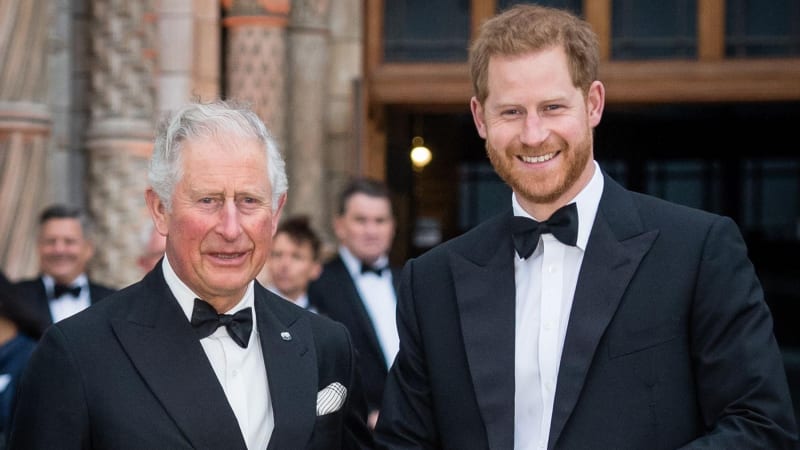
That the offer was retracted so quickly — and so soon after Harry said yes — has done nothing to dampen the speculation. If anything, it has poured fuel on it.
"Instead of one step forward, this seems like 200 back. Charles and Harry will yet again have to endure having their actions speculated over, decoded by judgmental outsiders in the most negative light available."
The commentary has been swift and predictably polarised. Charles is being framed by some as cold and unfeeling. Harry, by others, as difficult or using his children as leverage. Neither characterisation is especially kind, and neither can be verified by anyone outside the family — a point worth remembering as the speculation reaches its usual fever pitch.
The Human Cost Behind the Headlines
Strip away the palace intrigue and the tabloid framing, and what remains is a story about a father and a son who have lost years together. Children who barely know their grandfather. A grandfather who has barely met his grandchildren. Whatever your position in the great Charles-versus-Harry debate that has consumed royal coverage for the better part of half a decade, that reality is simply sad.
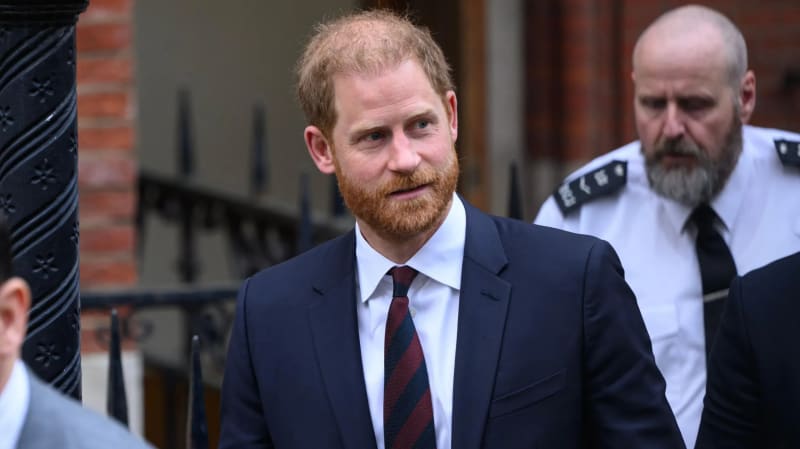
It is also, as observers have noted, a situation that carries a particular emotional weight for a nation that has watched Harry grow up in public — most viscerally in those images of a 12-year-old boy walking behind his mother's coffin in 1997. That memory does not excuse anyone's behaviour in the years since, but it does complicate any attempt to view Harry with pure detachment. Britain has a complicated, long-held investment in him that makes each new development in this saga land harder than it perhaps should.
"To have little or no contact with those who, on the tin, are your nearest and dearest must be torture. To have children your father barely knows, grandchildren you've hardly met, is also a unique kind of pain."
What happens next is anyone's guess. The royal family has a long history of grinding on through difficulty with a stiff-upper-lipped silence that tells the public very little and the press corps even less. But with each new twist — and this one is particularly wrenching — the distance between Charles and Harry seems harder to close, and the path back to anything resembling normal feels longer than it did the day before.
Whether you think Harry brought this on himself or that Charles has been too rigid to bend, the simplest truth is the one that is easiest to overlook: this is a family in pain, and that pain is not going anywhere soon.