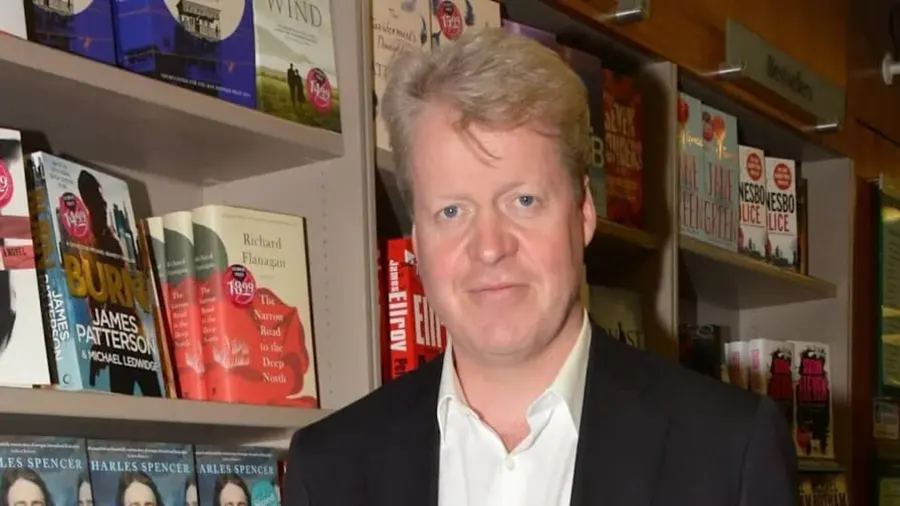
He's the man caught squarely in the middle — and he knows it. As his incendiary memoir about Princess Diana lands in bookshops, Earl Charles Spencer has broken his silence on the years-long rift between his nephews Prince Harry and Prince William, making clear he refuses to choose a side.
Speaking to the BBC ahead of the release of Swan Song: Diana, My Sister, the 9th Earl Spencer addressed speculation that his closer recent relationship with Harry had pushed him into the Duke of Sussex's corner. His answer was firm and, for a book already causing enormous ructions at Buckingham Palace, surprisingly measured.
"I think there is a perception in the media that I am on Harry's side. Well, I'm on my deceased sister's sons' side, both of them. And if either of them wanted anything, then I'd be equally there for them."
A 'Benign Figure' in an Increasingly Bitter Battle
Spencer was candid about the limits of his knowledge, acknowledging there are "a lot of reasons on both sides" why William and Harry's relationship has deteriorated to its current state. "But I don't know all," he admitted. "I certainly don't know what's been done in the finer detail and so I would feel intrusive if I got more involved than to say of course a mother would want her two sons to be happy together and love each other."
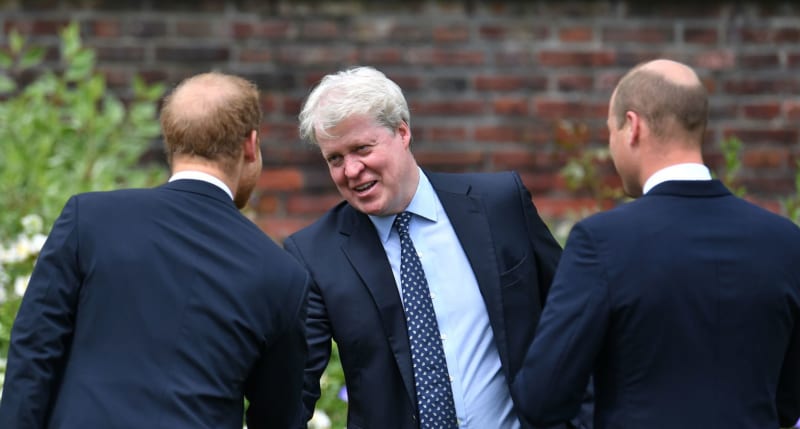
He concluded with a simple, heartfelt hope: "I hope one day it's resolved."
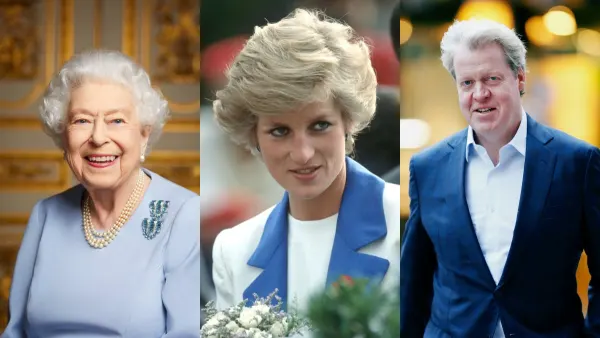
The remarks carry particular weight given the firestorm already surrounding his book. Swan Song, released on 22nd September, contains explosive claims about King Charles III's reaction to Princess Diana's death in 1997 — including an allegation that the then-Prince of Wales sounded "giddily elated" when Spencer called him with condolences, and that he hissed the words "we'll forget her soon enough" down the phone.
Palace Fires Back — and the Brothers Are Caught in the Crossfire
Buckingham Palace issued a rare and pointed rebuttal to the earl's claims, stating: "While we do not comment on books as a matter of principle, His Majesty is mindful that the pain of fraternal grief can cloud reason, affect judgment and colour memory in ways others do not recognise, even many years after such a loss."
It's an unusually sharp statement from an institution that typically maintains silence on such matters — and it signals just how seriously the King's team regards the allegations.
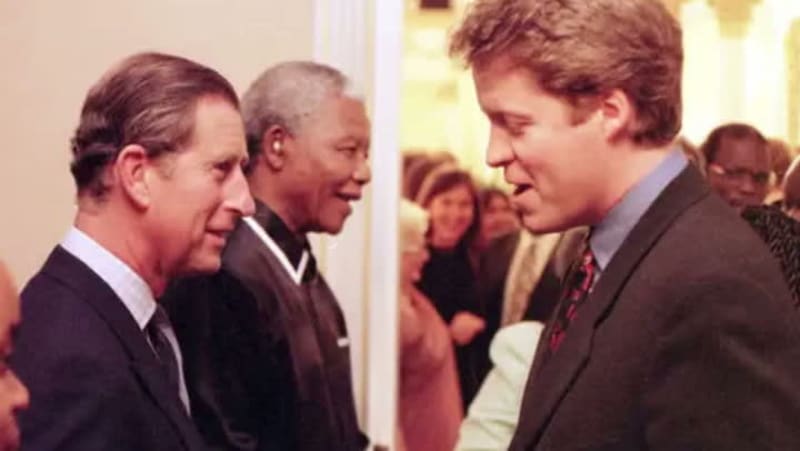
For Harry and William, the timing could hardly be more painful. Royal biographer Katie Nicholl, author of The New Royals, described the situation with characteristic precision.
"To have it overshadowed with arguments, fallouts, rifts that are now resurfacing three decades on, can surely not be what any of them want."
Harry's Awkward Position — and William's Impossible One
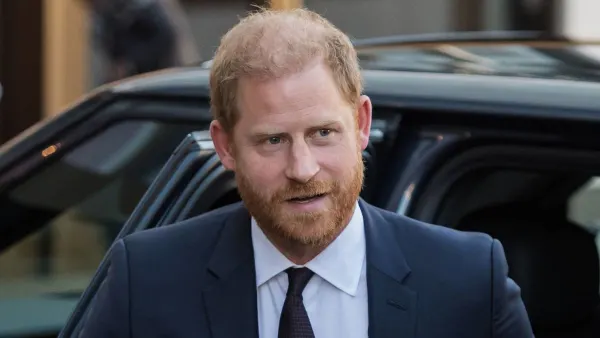
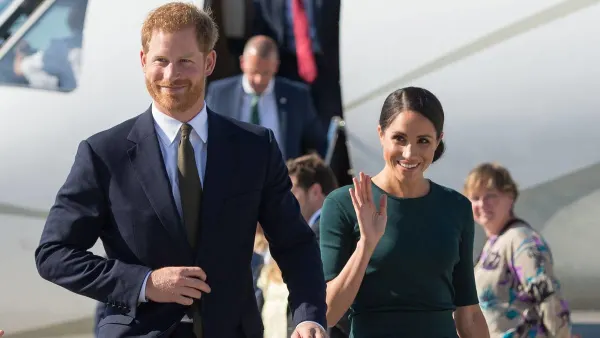
Spencer is known to be closer to Harry than to William, and the Duke of Sussex stayed with his uncle in July during his summer visit to the UK — a trip that also saw Harry and his wife Meghan Markle reunite with King Charles III and Queen Camilla. That meeting was widely viewed as a significant step forward in the fractured father-son relationship, making the timing of Spencer's book all the more delicate.
HELLO! Royal Editor Emily Nash laid out the bind Harry now finds himself in with characteristic clarity, noting that however much the Duke champions his mother's legacy, he is simultaneously trying to rebuild his relationship with his father — and the two objectives are now directly in tension. "He can't very well support what his uncle is saying," she observed.
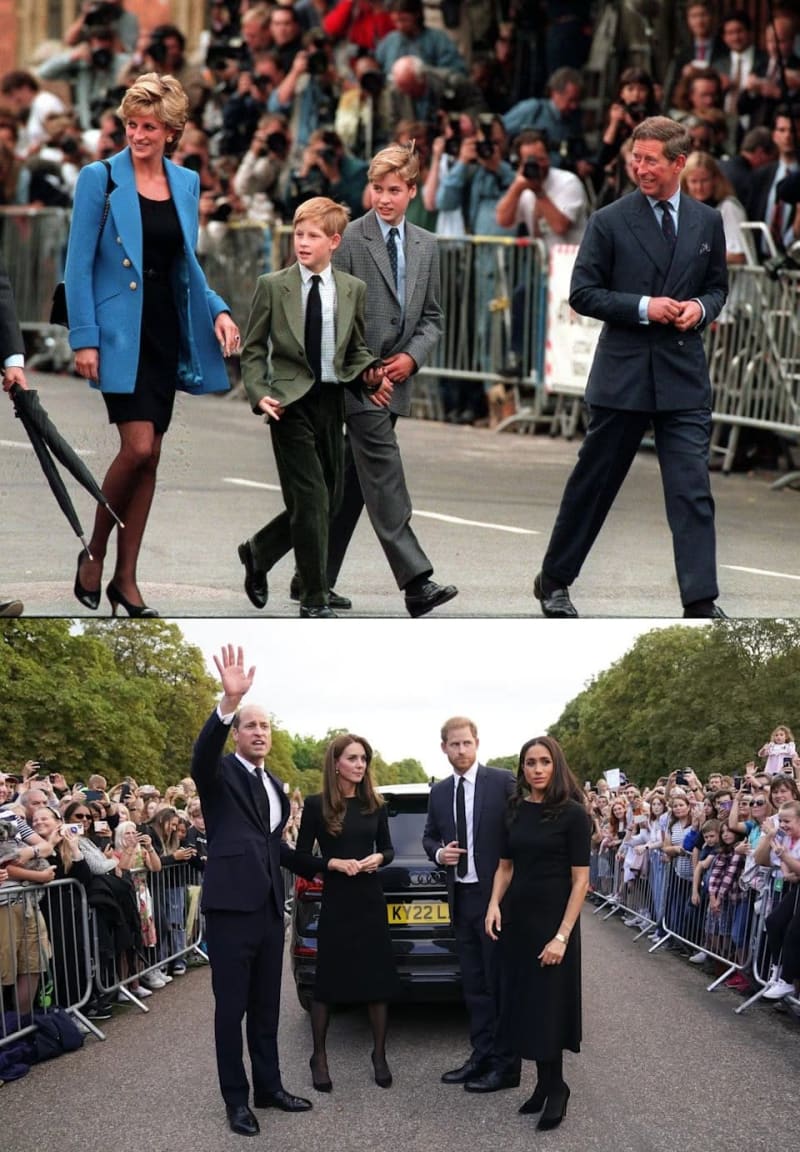
William's position, Nash argued, may in fact be the hardest of all. Whatever his private feelings, the Prince of Wales must keep focused on the future of the monarchy — his future, and his family's. Reconciliation between the brothers, meanwhile, is not considered a priority on William's side, with sources suggesting he has struggled to forgive Harry for comments made about the royal family, including remarks concerning Princess Kate.
Harry and Meghan relocated back to the UK from their Montecito, California home earlier this year, with their children Prince Archie, seven, and Princess Lilibet, five, in what many observers read as a broader attempt to mend royal bonds. Whether Spencer's memoir helps or hinders that effort remains very much to be seen.