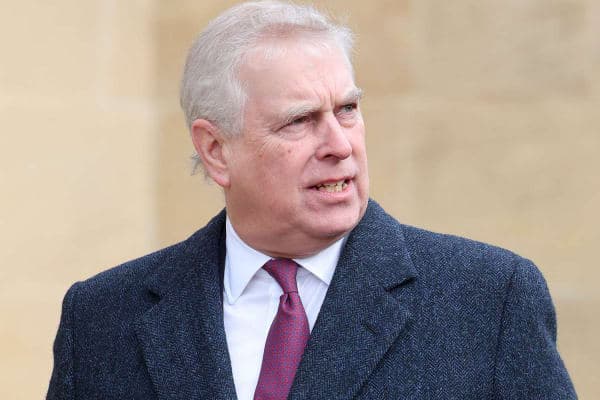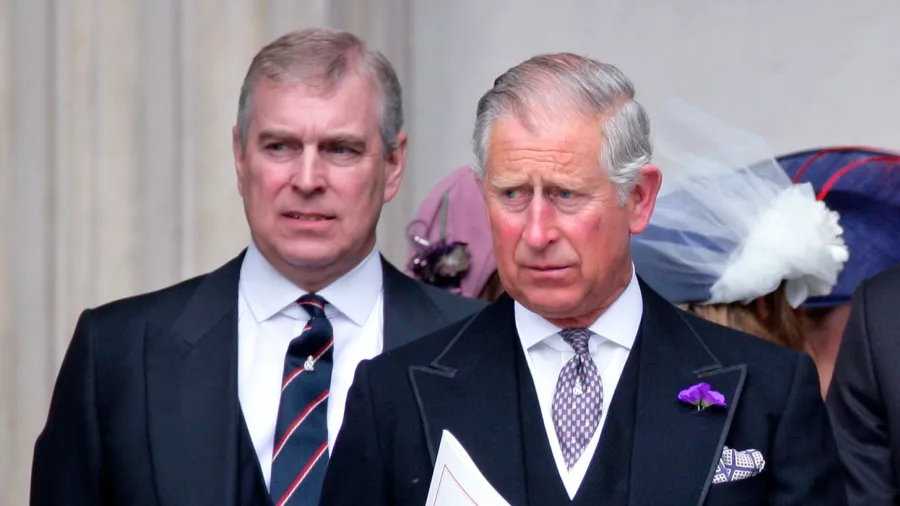
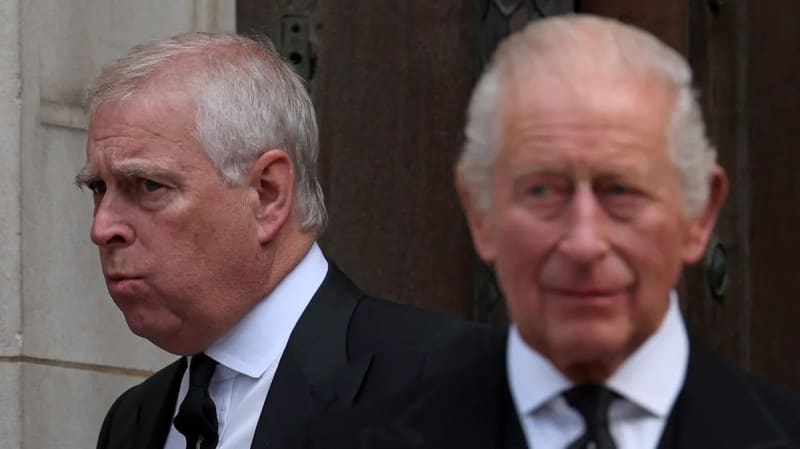
King Charles has delivered a pointed message to his disgraced brother: when it comes to fighting the police in court, Andrew Mountbatten-Windsor is on his own. The Palace has made clear that the private financial allowance the King provides to his brother should not be used to fund the judicial review Andrew is pursuing against Thames Valley Police and the Central Criminal Court — a move that signals just how far the monarchy is distancing itself from the former Duke of York's legal battle.
A Very Clear Boundary
A royal source confirmed that while King Charles continues to support his brother financially from his own private funds — an arrangement tied to Andrew's move from Royal Lodge to accommodation on the Sandringham estate — that generosity does not extend to bankrolling a courtroom challenge. Buckingham Palace, the source stressed, has no role in determining Andrew's legal defence strategy or actions.
It has not been disclosed how much the King gives to Andrew each year. What is clear, however, is that the funding comes entirely from Charles's personal wealth — including income from the Duchy of Lancaster, private estates, and his own investments and inheritances — and is entirely separate from the £138 million Sovereign Grant that funds the wider monarchy.
"Even if Andrew succeeds in having the search warrants quashed, that would not necessarily be the victory it might first appear," said Nick Vamos, a criminal lawyer at Peters & Peters and former head of special crime at the Crown Prosecution Service.
Vamos added that should police lose on a technical error, they could still apply back to the Crown Court to retain any material seized during a search — meaning Andrew's legal push may be more symbolic than strategically decisive.
The Legal Challenge Explained
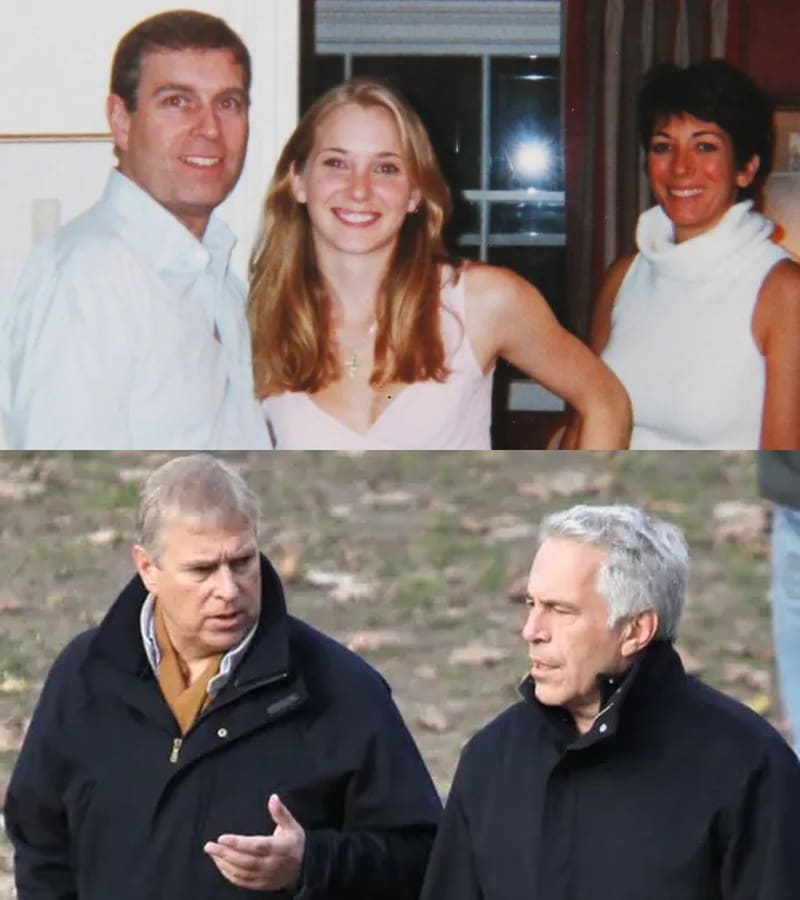
Andrew Mountbatten-Windsor was arrested on 19 February 2026 — his 66th birthday — by Thames Valley Police on suspicion of misconduct in public office. The arrest came in the wake of revelations from the Epstein files published by the US Department of Justice, which included emails appearing to show that Andrew had shared official documents with Jeffrey Epstein and others during his time as the UK's trade envoy. Andrew has consistently denied any wrongdoing linked to his association with Epstein.
His lawyers are now challenging the lawfulness of the search warrants that allowed police to raid both his accommodation on the Sandringham estate and his former home, Royal Lodge, in Windsor. A private High Court hearing took place on Thursday as part of Andrew's bid to quash the warrants, which had been issued by a judge at the Central Criminal Court on 18 February — the day before his arrest. It is not known whether Andrew attended.
Thames Valley Police confirmed it is "engaged in legal proceedings in relation to warrants previously obtained from the Central Criminal Court," but declined to comment further given the ongoing proceedings.
The Palace Looks the Other Way
The King's position has been consistent since the moment of his brother's arrest, when Charles stated that the "law must take its course." The Palace's latest move — publicly distancing the Crown from Andrew's legal pushback — reinforces that stance with considerable firmness.
"To every cadet, volunteer, family member, employer and supporter, I can only thank you for your example of duty and service," King Charles said in a separate statement marking the inaugural National Cadets Week.
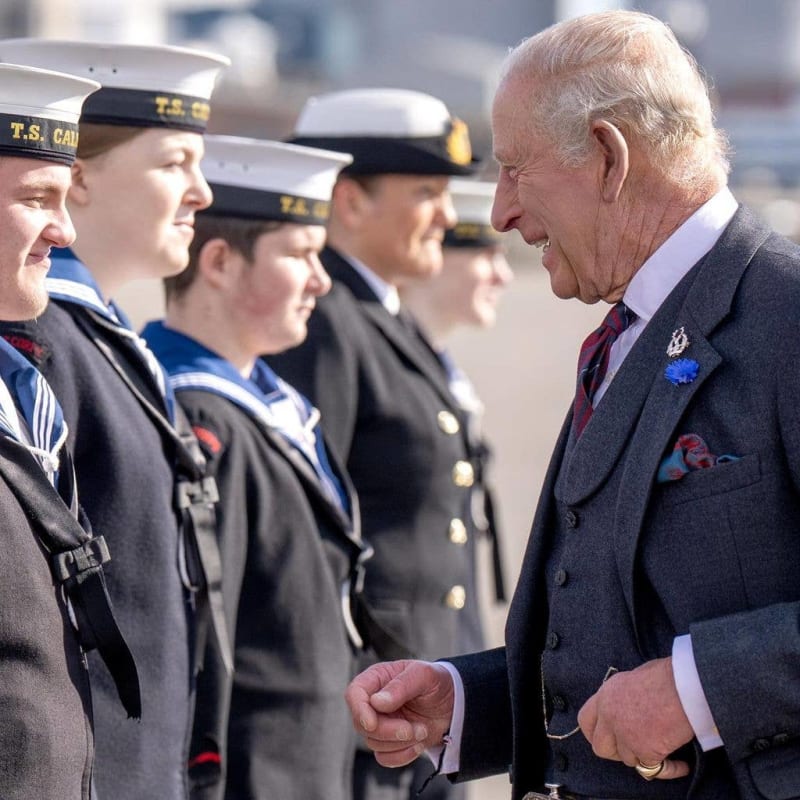
That message, issued the same day Andrew's legal action became public, was a study in royal contrast — the King praising resilience, responsibility and public service just hours after news broke that his brother was pursuing a legal challenge against the police investigating him.
Andrew Mountbatten-Windsor lost his titles as a prince and Duke of York over his connections to the convicted sex offender Jeffrey Epstein. He is not a working royal, and Buckingham Palace no longer speaks on his behalf. As the legal proceedings grind on, that distance — financial, institutional and symbolic — appears to be growing wider by the day.