For nearly 190 years, Buckingham Palace has been home to Britain's reigning monarchs. Now, for the first time since Queen Victoria moved in during 1837, that tradition is over — and King Charles III is the man who has ended it.
The King and Queen Camilla have confirmed they will not move into Buckingham Palace once its sweeping renovation is complete, choosing instead to remain permanently at Clarence House, their longtime London residence just steps away along The Mall. The announcement, made by Buckingham Palace itself, represents one of the most consequential changes to royal living arrangements in generations.
A Working Palace, Not a Family Home
The decision has been a long time coming. Royal aides have been at pains to describe Buckingham Palace not as a home but as an institution — a vast, 775-room working gover
nment building that hosts state banquets, investitures and diplomatic receptions. For Charles, the preference has always been to keep a clear distinction between his official duties and his private life, and Clarence House — where he has lived since 2003 — carries decades of personal significance that the grander palace simply cannot match.
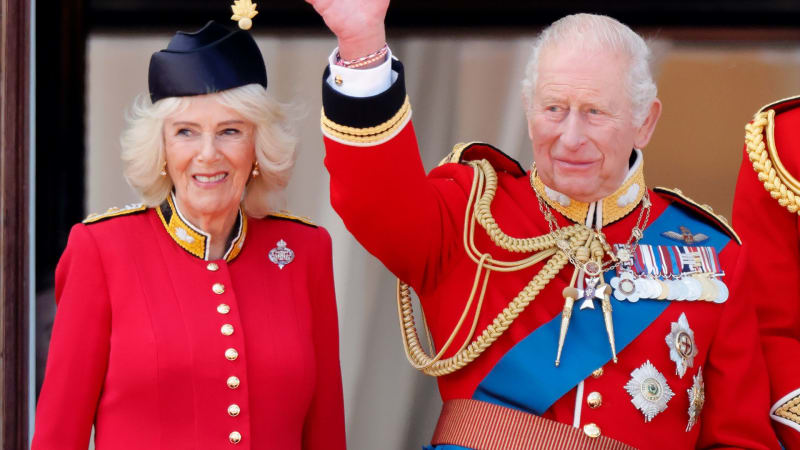
Without a resident monarch in the private apartments, officials now plan to dramatically expand public access to Buckingham Palace throughout the year, rather than limiting visits primarily to the summer opening season. It is a move that neatly frames the palace's future: less sovereign's home, more national institution open to all.
The £369 Million Question
Not everyone is celebrating. The announcement has landed awkwardly against the backdrop of the decade-long Buckingham Palace Reservicing Programme, a refurbishment funded by the taxpayer to the tune of £369 million. Critics have been quick to question the optics of such an enormous public investment if the monarch ultimately declines to live in the building it was designed to restore.
Royal aides have described Buckingham Palace as the headquarters of the monarchy rather than a comfortable place to live, with King Charles preferring to keep a clear distinction between his official duties and his personal life.
Supporters, however, see things rather differently. For them, the decision is entirely in keeping with Charles' long-standing effort to modernise and streamline the monarchy — preserving one of Britain's most iconic landmarks as both a working institution and a historic attraction, while stepping back from the trappings of grandeur for their own sake.
A Shift That Could Outlast Charles
The implications may well extend far beyond the current reign. Reports suggest that Prince William has also shown little enthusiasm for making Buckingham Palace his permanent home, raising the very real possibility that the building could remain exclusively a ceremonial and administrative centre for future generations too. If that proves to be the case, what Charles has set in motion is not merely a personal preference — it could be the beginning of a permanent institutional shift in how the Royal Family uses its most famous address.
Buckingham Palace was originally purchased as Buckingham House by King George III in 1761 for Queen Charlotte, before being gradually expanded into the palace the world recognises today. It became the official London residence of the sovereign when Victoria took the throne. That residential chapter, nearly two centuries in the making, now appears firmly closed.
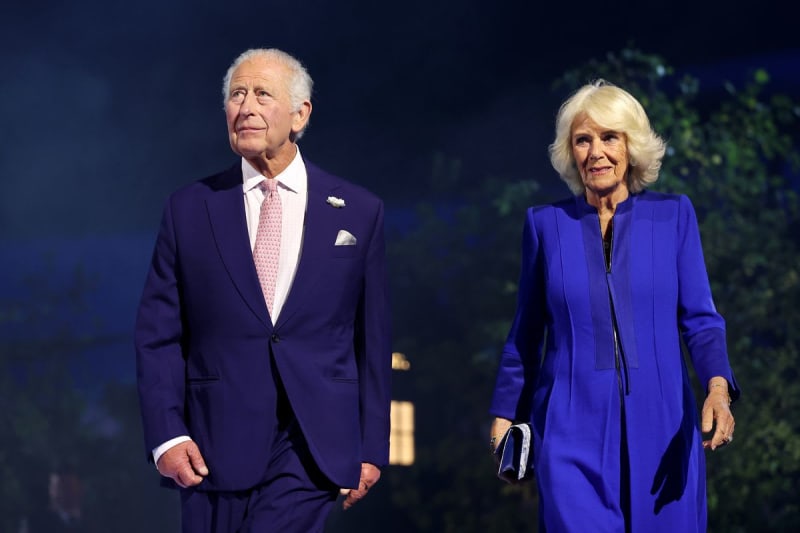
Whether history will judge the decision as bold modernisation or a curious rejection of Britain's most recognisable symbol of monarchy may depend entirely on what Buckingham Palace becomes next — and whether the public, invited in as never before, feels at home there even if the King does not.