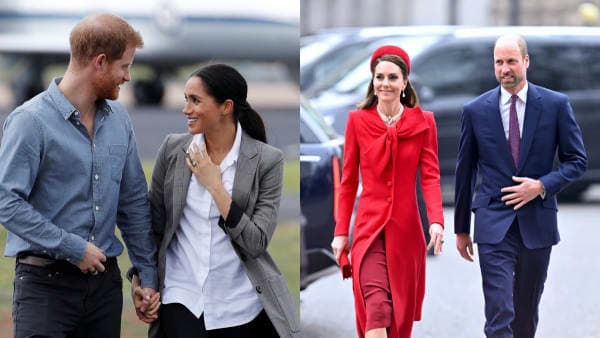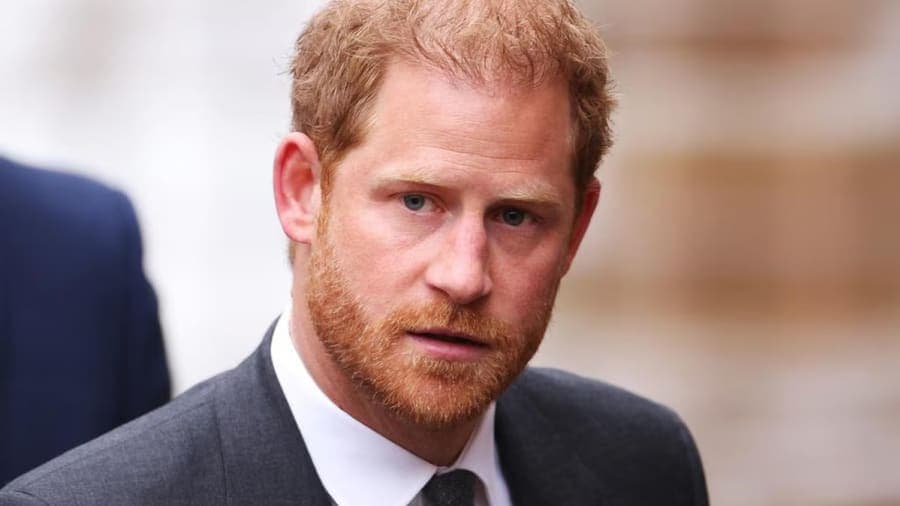
Prince Harry gave the body responsible for assessing his security less than two weeks' notice before moving his family back to Britain — a fraction of the 28-day warning required under official rules — as concerns about news leaks and unconfirmed school places complicated what became one of the most closely watched royal relocations in years.
A Move Shrouded in Secrecy
According to sources familiar with the matter, the Duke of Sussex's team informed Ravec — the Home Office committee responsible for assessing royal and VIP security arrangements — only that he would be travelling to the UK for an extended period of engagements, understood to include the WellChild Awards, which he typically attends in September and builds a programme around. The full picture of the family's permanent move, encompassing the Duchess of Sussex, Prince Archie and Princess Lilibet, and their enrolment in a British prep school, was not disclosed to the committee within the customary timeframe.
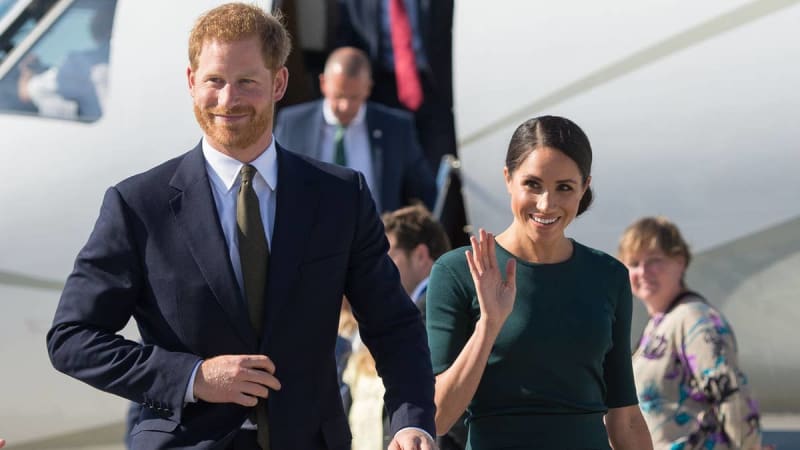
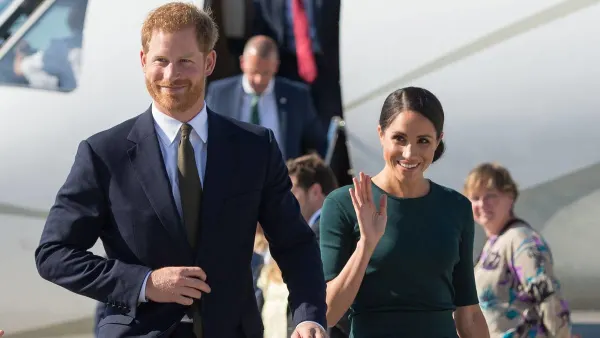
The Home Office was informed of the complete move as soon as was "practicably possible", it is understood, given concerns about the story leaking, the late confirmation of the children's school places, and the Duke's wish to tell his father first. King Charles was told officially on Sunday, 16 August. The Telegraph broke the story on 19 August, and the family landed at Birmingham Airport on Thursday, 26 August, where they were met by private security rather than a publicly funded police convoy.
"Geography was the backbone of Ravec's argument for withdrawing enhanced protective security in 2020. That barrier has now been removed, and an obvious off-ramp exists for the committee to do the sensible thing: protect the King's son and grandchildren."
Seven Years of Frustration
A source close to the Sussexes dismissed concerns about the exact timescales, saying the committee had been "kicking the can down the road for the last seven years." They added that the family had always adhered to the rules set by Ravec, even as those rules appeared to shift, and that doing so had never made any practical difference to the outcome.
"Despite the facade of a proper process, they have never shown any real intention of doing anything other than maintaining the status quo," the source said. Now that the Sussexes are living full-time in the UK — currently at an undisclosed location, with the children due to start school in September — the source argues there is no longer a geographical justification for withholding enhanced protection.
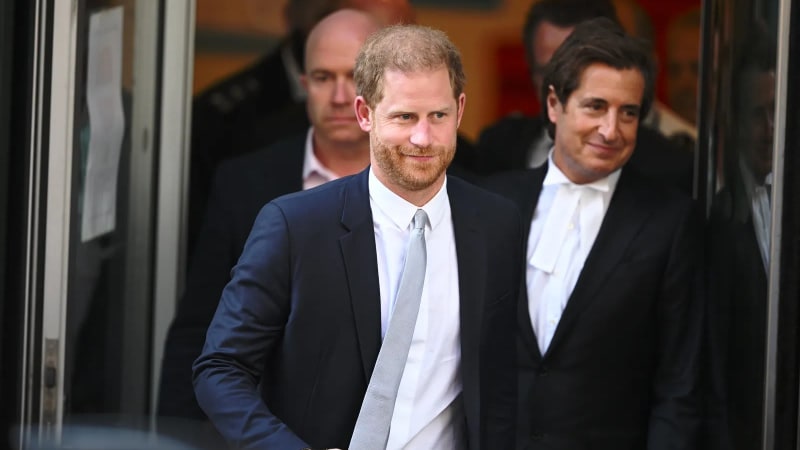
Harry lost a legal challenge over his security arrangements after a judge ruled in 2025 that his "sense of grievance" did not amount to grounds for a successful appeal. He called the decision a "good old establishment stitch-up" and said at the time that he "can't see a world" where he could bring his wife and children to Britain. That the family has now made precisely that move has shifted the terms of the debate considerably.
Real Threats, Inadequate Protection
The security gap at the heart of this story is stark. Royal editor Chris Ship, speaking on the Today Show, described the situation as deeply alarming — arguing that the failure to immediately recalibrate Harry's security once it became clear he was returning for an extended period, with his children enrolling in British schools, was a serious oversight.
"The only thing he's got to combat any attack is the phone number of a police liaison officer that he can call when he's in trouble. He does have very real threats against him, and one of those threats was passed to him by the FBI."
Sources within Ravec have, in turn, pushed back on the suggestion that the committee failed to consider the Sussexes' case thoroughly, or that it reached incorrect conclusions given the information available to it — though those same sources acknowledge frustration at how the situation has been publicly characterised.
What Happens Next
Harry has not yet received the results of a risk management board hearing carried out last month, prior to the move. He is now seeking the reinstatement of taxpayer-funded police protection, which he lost when he stepped back from his role as a working royal and relocated to America under arrangements confirmed in 2020.
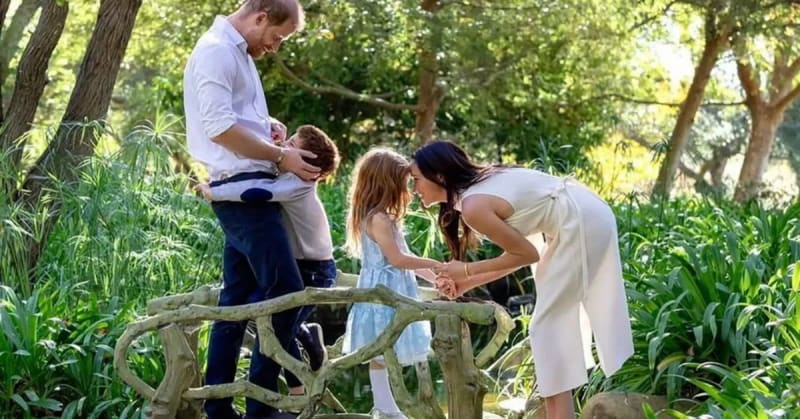
The family's return to Britain, and the children's permanent school enrolment, represent his strongest argument yet that the circumstances underpinning that original decision have materially changed.
Whether Ravec agrees — and how quickly it acts — may well define the next chapter of the Duke's life in Britain.