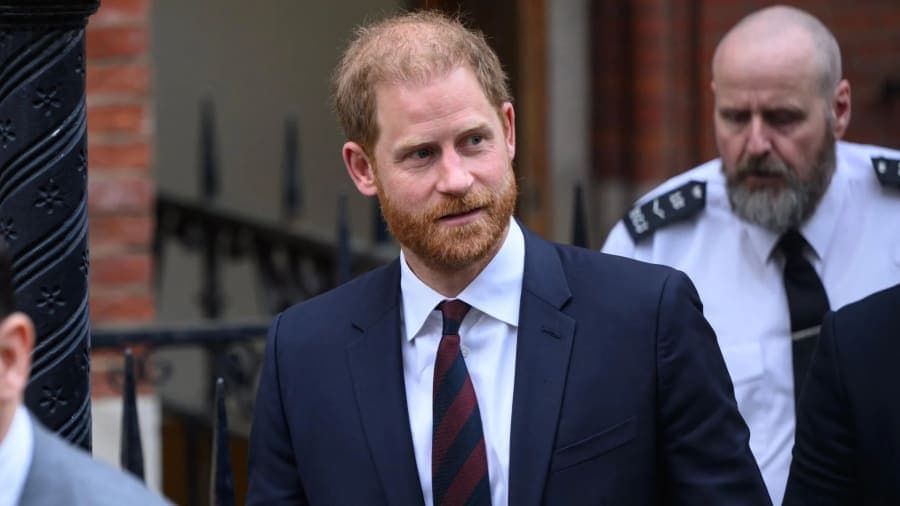
Prince Harry and his fellow claimants are facing a legal bill that could run to many millions of pounds after their High Court privacy case against the publisher of the Daily Mail collapsed — and their insurance cover may not come close to meeting the costs.
A two-day costs hearing began at the High Court on Wednesday, with Associated Newspapers Limited (ANL) — publisher of the Daily Mail — demanding an initial interim payment of £9,950,624.37 from the group. The seven claimants, which include Sir Elton John, Baroness Doreen Lawrence, Liz Hurley, David Furnish, Sadie Frost and Simon Hughes alongside the Duke of Sussex, have offered just under £8m in response, describing it as a "generous offer".
An £18m Shortfall
The numbers are stark. ANL incurred total legal costs of £34.5m over four years of litigation, yet the claimants' combined insurance cover amounts to only £16.2m — each having taken out an individual after-the-event policy worth £2.7m. That leaves a potential shortfall of more than £18m.
"If the claimants were required to pay Associated's costs on the indemnity basis… the current level of cover would be insufficient to meet their total costs exposure, possibly to the tune of many millions of pounds."
That admission came from Nicholas Bacon KC, acting for the claimants, in written submissions to the court. He argued, however, that ANL's spending had spiralled far beyond what the claimants were led to expect, pointing out the publisher had previously indicated its legal spend would be around £20m — and had increased it substantially without notification. Bacon described the £34.5m bill as an "astonishingly high legal spend" reflecting an "entirely cavalier" and "no expense spared" approach that overrode basic principles of proportionality.
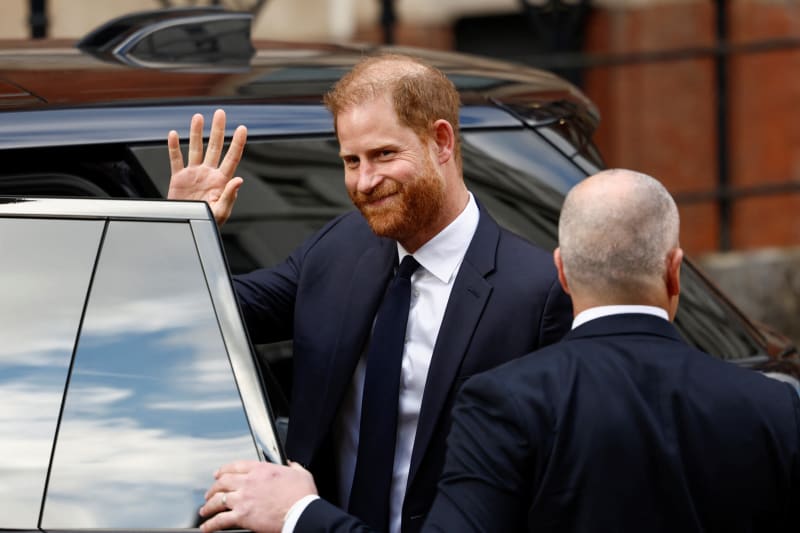
ANL has applied for costs to be paid on an indemnity basis — a more favourable financial arrangement for the winning party that removes the usual requirement to demonstrate that costs were proportionate. Claimants' lawyers are pushing back against this, arguing the group acted "honestly and in good faith" throughout the proceedings and that a full indemnity order would be "unjustified".
A 'Campaign' and a 'Banquet of Litigation'
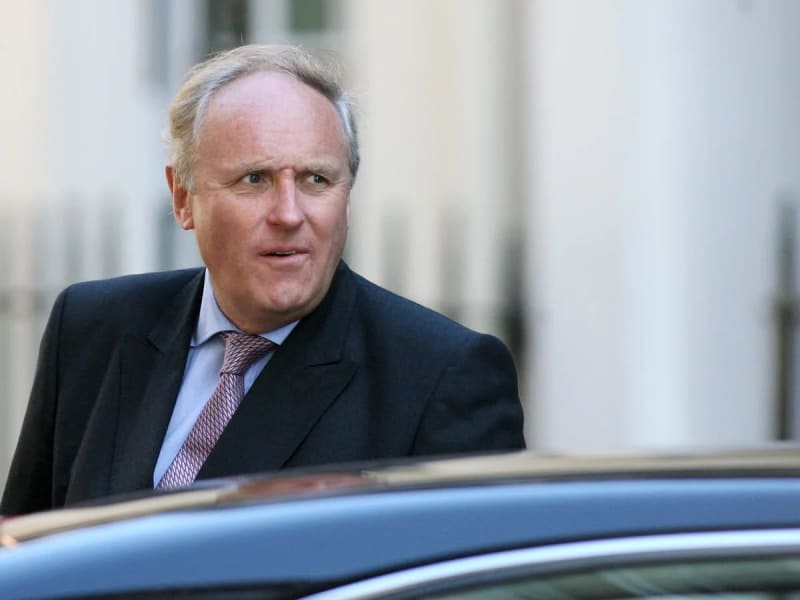
Antony White KC, for ANL, mounted a pointed attack on the way the case was conducted. He told the court the claimants had cast a "strikingly wide" net, making allegations of serious criminal misconduct against 77 journalists, editors and executives — though only 23 were actually involved in the claims — before abandoning some allegations at trial "without any apology or even acknowledgment". The legal action, he argued, was part of a broader "campaign" to demonstrate that ANL had misled the Leveson Inquiry, with high-profile claimants enlisted to build public pressure on the government to implement the inquiry's second part.
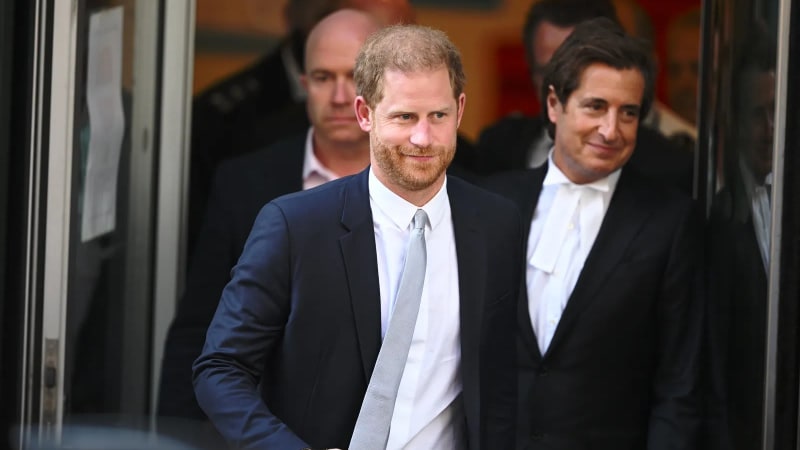
White described the proceedings as the "vanguard" of a strategy designed to swamp ANL with further claims — what he called a "banquet of litigation". He also made the pointed suggestion that Baroness Lawrence, the mother of murdered teenager Stephen Lawrence, had been recruited to the case by Harry as a "national treasure" to lend the claims credibility and garner public sympathy. "That is a matter of regret for my client, but it is not to be shrunk from," White told the court.
The Post-Verdict Statement
Central to ANL's push for indemnity costs is the conduct of Harry and Baroness Lawrence after Mr Justice Nicklin handed down his 426-page ruling on 7 July, dismissing all 97 claims against the publisher in full and finding no evidence to support them. Rather than accepting the verdict, the pair issued a joint statement attacking the judge and describing the ruling as a "complete and obvious whitewash".
"The entirely inappropriate statement suggested that he 'knew better than the judge'."
That characterisation came from ANL's own legal submissions. For his part, Bacon told the court that the post-verdict statement was a separate matter from the litigation itself, and that it should carry no weight in deciding how costs were apportioned.
The costs hearing, which runs over two days, will determine not just the size of the bill but the basis on which it is calculated — a distinction that could make the difference between a manageable payout covered largely by insurance, and a personal financial exposure running into tens of millions. For Harry and his co-claimants, the legal reckoning from one of the most high-profile privacy cases in recent British history is far from over.