It is, by any measure, one of the more extraordinary requests in modern royal history. According to a new biography of the Princess of Wales, King Charles and Queen Camilla once asked Kate to change the spelling of her formal first name — from Catherine to Katherine — because too many royal cyphers beginning with the letter C was considered, in their view, a bit much.
Prince William, it is claimed, did not take it well.
A Question of C's
The story comes from author Christopher Andersen's biography Kate! The Courage, Grace, and Power of the Woman Who Will Be Queen, in which he details what he describes as a branding dispute at the heart of the royal family. Charles and Camilla each had a royal monogram made up of interlocking C's beneath a crown, and the concern, according to Andersen, was that a third royal cypher bearing the same letter was simply overkill.
The proposed solution? Ask the future Princess of Wales to quietly swap a vowel and become Katherine.
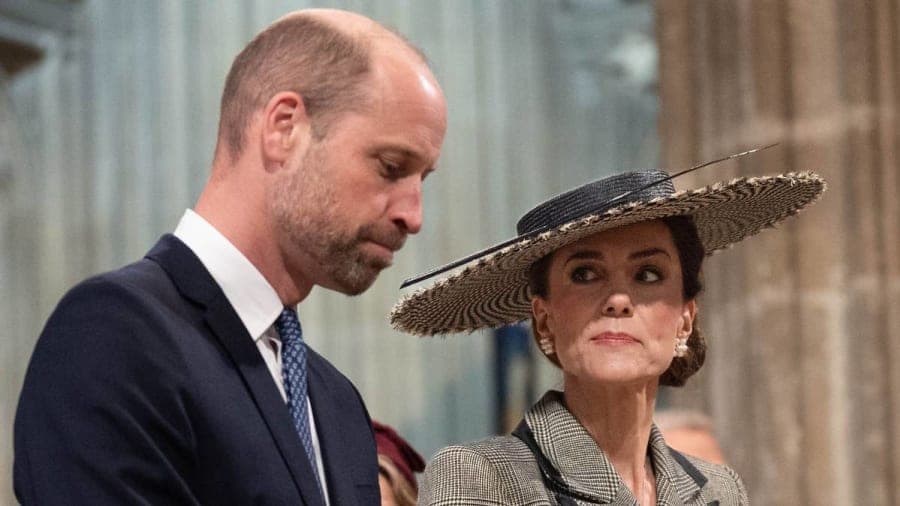
"Offended by yet another command from on high essentially aimed at placating Camilla, a fuming William replied on his wife's behalf. The request was nothing less than 'insulting,' he told his father, not only to Kate but to her entire family."
Andersen writes that William's fury was rooted not just in loyalty to his wife but in the principle of the thing. Catherine — known publicly as Kate — feels strongly about the name her parents gave her, and the suggestion that she alter it for the sake of a coat of arms did not go down well in their household.
'A Bridge Too Far'
Andersen paints a picture of a Princess who, despite her famously warm and accommodating public image, is nobody's pushover when it comes to matters of identity. Charles and Camilla, he suggests, had rather miscalculated by assuming Kate would simply agree to the change.
"Kate is very secure about who she is and how she wants to be perceived by the outside world. Changing her formal given name for such a bizarre, almost comical reason was a bridge too far."
Andersen told Fox News Digital that the episode is emblematic of something broader — the intensity with which the royal family guards its image, right down to the letters on its crests. "The monarchy really is a giant game of one-upmanship," he said.
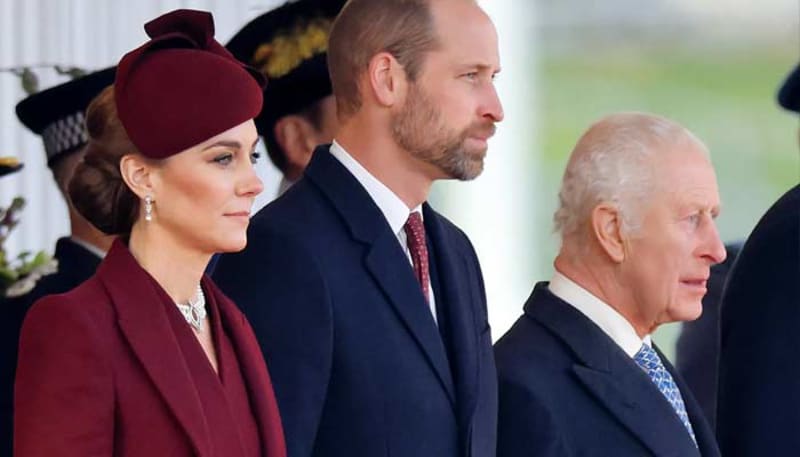
The incident, he argues, also speaks to William's instinct to defend his wife, which the author says has been a constant since the early days of their relationship.
Royal Experts React
Not everyone in royal commentary circles is convinced the row carries the weight Andersen implies. Royal expert Richard Fitzwilliams reacted with some scepticism, calling the reported request "simply stupid" and describing it as "idiotic" if true. Helena Chard, a British broadcaster and photographer, was more measured — acknowledging she could see both sides, but ultimately dismissing the proposal as a "nonstarter" and a "lost cause", noting that Kate was already so universally known by her nickname that the formal name change would have made little practical difference to public perception.
Royal commentator Pelham Turner described it as a potentially "volatile moment" between Camilla and the Princess as she joined the family, though he noted that William was there to run interference. Turner added that the dynamic has evolved considerably since then, with Catherine now "building a stronger brand in her own right" as William takes on greater responsibilities.
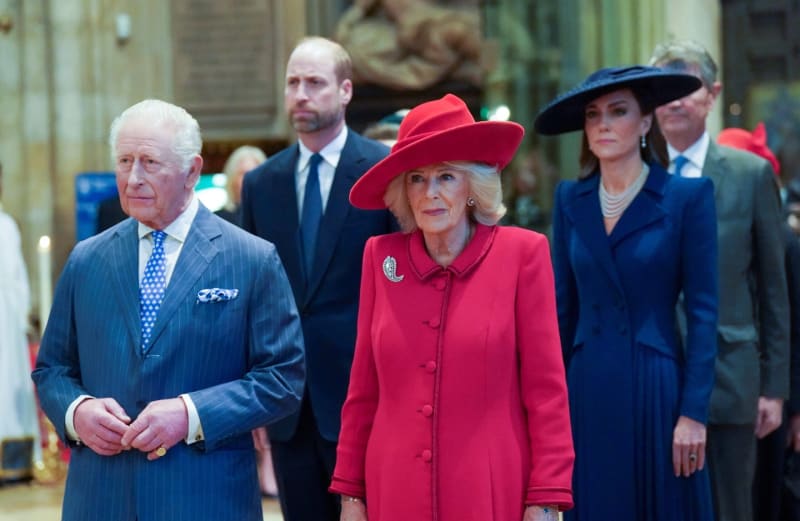
For her part, Andersen says the Princess harbours no lasting resentment toward the King over the episode — she is said to be "genuinely fond" of Charles and suspected the suggestion may not have originated with him at all. Whatever its source, William's response apparently made clear that the matter was closed before it had properly begun.
The biography is the latest to examine the inner workings of the royal family and Catherine's place within it — and, if nothing else, it confirms that in the House of Windsor, even the alphabet can become a battleground.