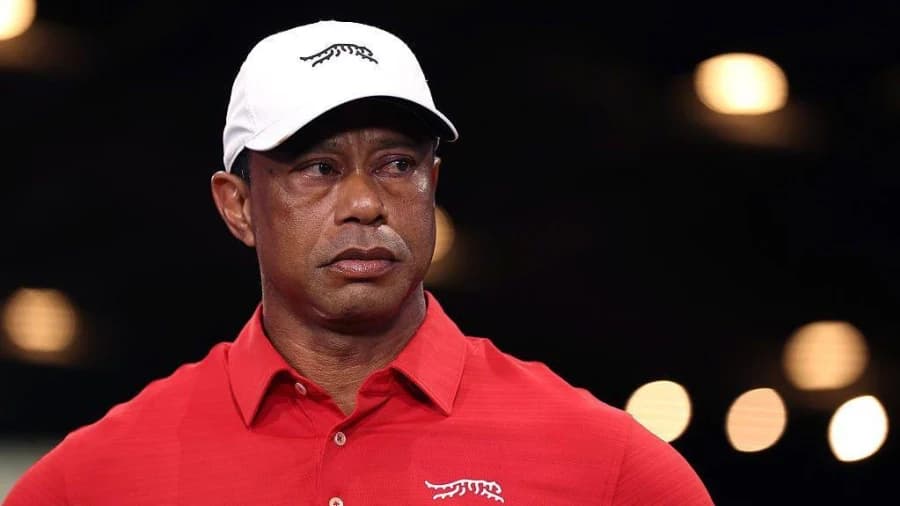
Tiger Woods has avoided jail but will be without a driving licence for the next five years after accepting a plea deal in his Florida DUI case — bringing to a close one of the most closely watched criminal proceedings in sporting history.
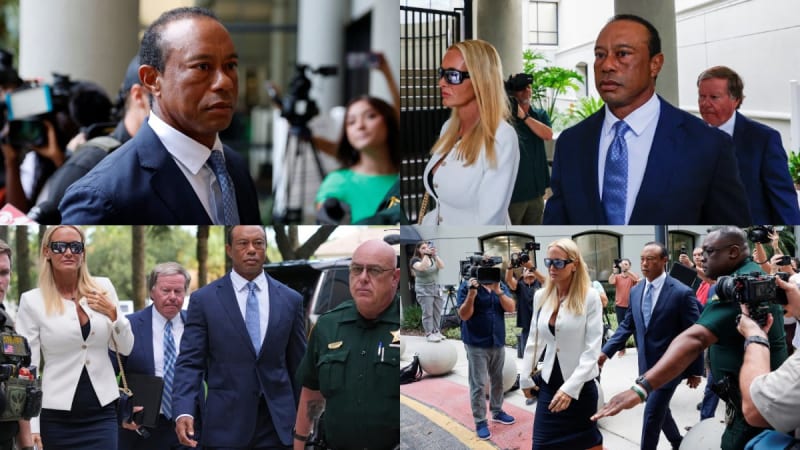
The 15-time major champion, 50, appeared before a judge at Martin County Courthouse in Stuart, Florida, on Wednesday, where prosecutors agreed to reduce the original charges of driving under the influence and refusal to submit to lawful testing to reckless driving and careless driving. Woods was ordered to pay a $1,000 fine for the reckless driving charge and a further $500 for the careless driving conviction, with both five-year driving bans running concurrently.
The Judge's Stark Warning
The hearing was brief but pointed. The presiding judge left Woods in absolutely no doubt about the consequences of stepping behind the wheel during the suspension period.
"If you drive for any reason at all, you will be going back to jail," the judge told him.
Woods was accompanied to court by his attorney, Douglas Duncan, and his girlfriend, Vanessa Trump, with whom he arrived at the courthouse ahead of the hearing. During the proceedings, Woods was seen glancing towards Trump on several occasions.
What Happened on 27 March
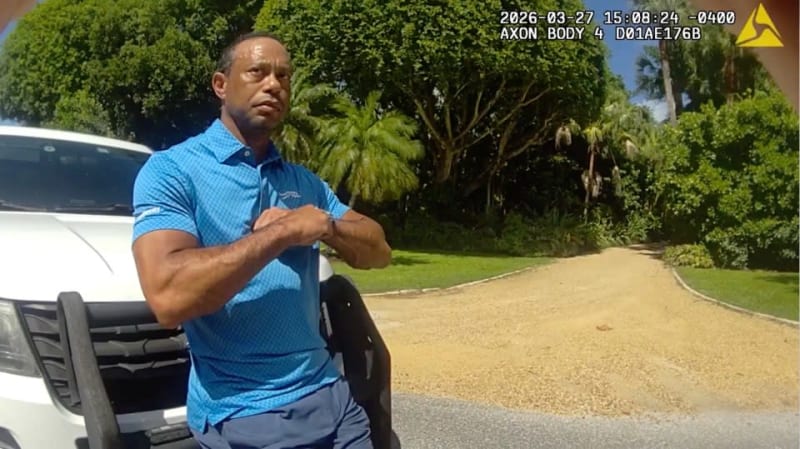
The case stemmed from a dramatic incident on 27 March, when Woods crashed his Range Rover on South Beach Road near his Jupiter Island home. Authorities said he was attempting to pass a pickup truck towing a trailer on the narrow road when his SUV struck the trailer, left the roadway, and rolled onto its side. Woods, who was alone in the vehicle, managed to climb out through the passenger door and was not injured.
Responding deputies described him as appearing lethargic and slow, sweating profusely, with bloodshot, glassy eyes and extremely dilated pupils. Two loose pills found in his pocket were later identified as hydrocodone, an opioid commonly prescribed to manage pain. Woods told investigators he had taken several medications that day, including medication for high blood pressure and cholesterol, ibuprofen, and Vicodin. He also admitted to officers that he had been looking down at his phone to change the radio station and had not noticed the truck ahead slowing down.
A breathalyser test showed no alcohol in his system, but Woods declined to provide a urine sample for drug testing — a refusal that formed part of the original charges against him.
The Prosecution's Justification
State Attorney Thomas Bakkedahl moved quickly to defend the plea deal, acknowledging publicly that some had questioned whether Woods had received preferential treatment due to his fame and wealth.
"I know what people are saying, that Mr Woods will get special attention because of his fame, wealth and popularity. I will always do what I think is the right thing," Bakkedahl said.
Bakkedahl explained that prosecutors faced a significant evidential challenge in proving impairment, stating that Woods had developed a pharmacological tolerance to the medication found in his system. "If he has a tolerance, it doesn't impair him, so they can't prove DUI," he said.
A Road to Recovery
Following his March arrest, Woods issued a statement on social media acknowledging the gravity of the situation. "I know and understand the seriousness of the situation I find myself in today," he wrote. "I am stepping away for a period of time to seek treatment and focus on my health. This is necessary in order for me to prioritise my wellbeing and work toward lasting recovery."
Woods subsequently entered a treatment programme in Switzerland, where he spent almost three months. His time there was briefly interrupted when he returned to the United States to support Vanessa Trump following her breast cancer diagnosis, before returning to complete his treatment.
He made his first public appearance since the crash at the Travelers Championship in June, though he declined to answer questions about the incident or the criminal case at that time.
Wednesday's resolution marks the end of a legal saga that also constitutes Woods' second arrest on suspicion of driving under the influence. Under the terms of the deal, he also agreed not to seek a hardship exemption that could otherwise have granted him limited driving privileges during the suspension. The driving ban, combined with his ongoing recovery, means it will be some considerable time before the golfing legend is back on the road — let alone back on the course at the top of his game.