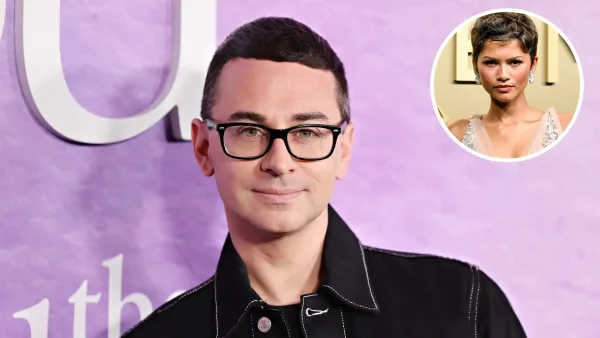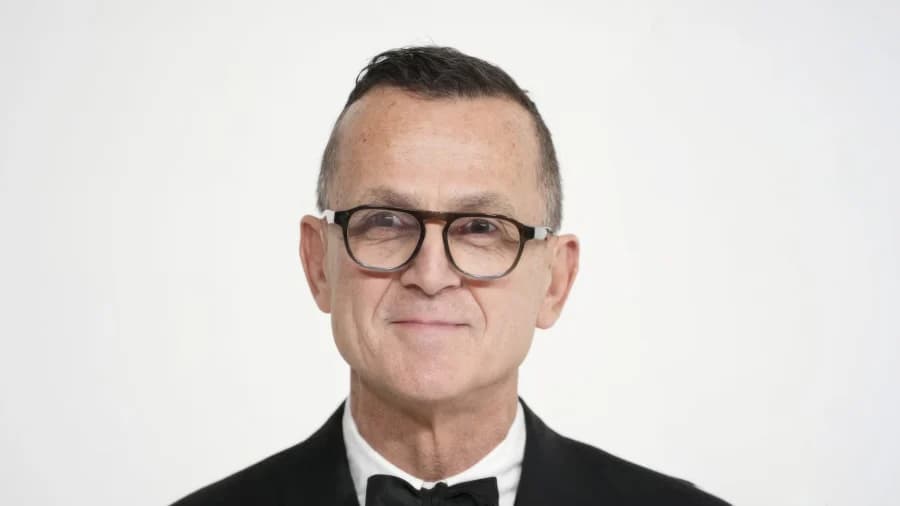
Steven Kolb, one of the most powerful figures in American fashion, has resigned as Chief Executive Officer and President of the Council of Fashion Designers of America — bringing a dramatic and abrupt end to a 20-year tenure that had shaped the organisation into a cornerstone of the industry. His departure follows a now-infamous incident at New York Fashion Week in which he was filmed physically restraining two PETA protesters on a runway, footage that circulated rapidly across social media and ignited a fierce debate about the fashion world's relationship with animal welfare activism.
What Happened at the Cos Show
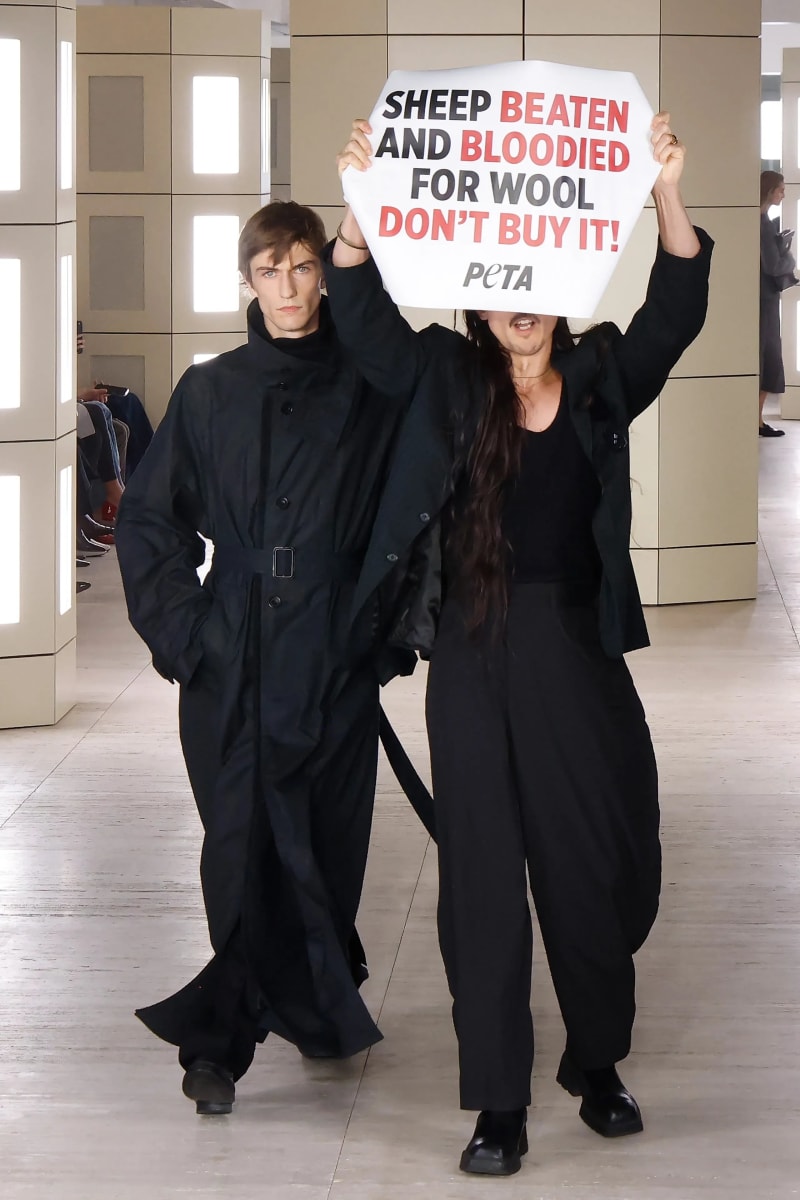
The incident took place during a show by Swedish brand Cos at WSA in New York, when five activists from PETA — People for the Ethical Treatment of Animals — attempted a planned disruption to protest the brand's use of wool. Protests of this kind have a long history at fashion week; PETA has been staging catwalk interventions since the 1990s, typically brief, peaceful affairs that security handles swiftly and without incident.
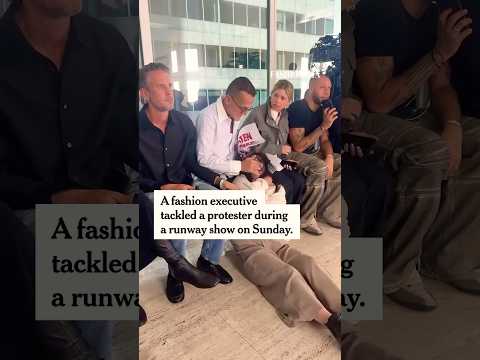
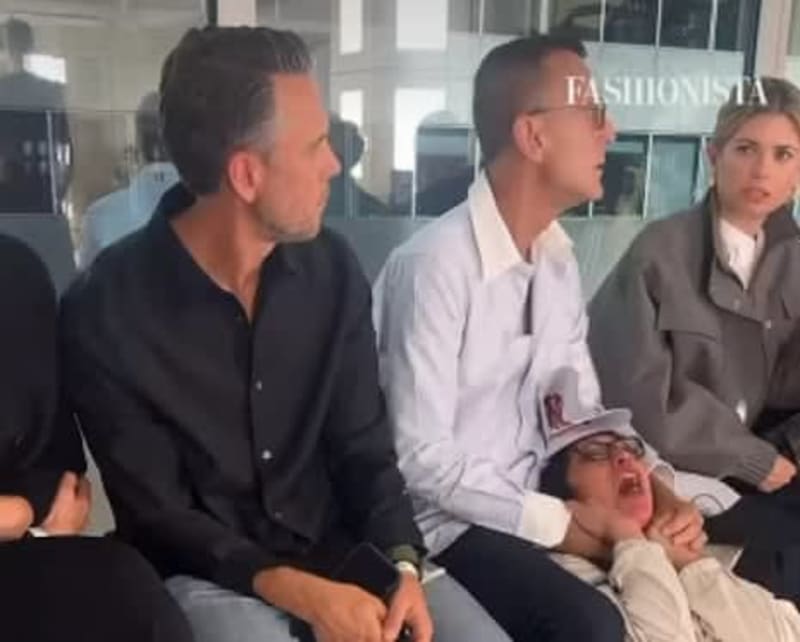
This time, however, the outcome was anything but routine. Video footage captured Kolb intervening directly, appearing to wrestle activist Andrija Barak to the ground, snatch a poster from her hands, and cover her mouth while restraining her with his arms and a leg. A second activist, Mason Melito, who said he had stood up to check on Barak, was also physically restrained by Kolb.
"Kolb just went completely rogue and decided to take matters into his own hands," Melito told the Guardian. "Absolutely — it was a scary one."
A spokesperson for H&M Group, which owns Cos, said the company was "deeply sorry" about the confrontation.
Apology, Leave, and Then Resignation
Kolb moved quickly to acknowledge his conduct. On the day of the incident, he posted a statement on Instagram saying he had "inappropriately restrained" two activists and that "there is no justification" for his actions. A more extensive public apology followed, in which he stated plainly: "My actions were wrong and I am deeply sorry."
"As I review the videos, I understand the reaction they have generated. Frankly, I don't recognise that person," Kolb wrote.
The CFDA Board of Directors placed him on leave the following Monday, pending a full review. PETA President Tracy Reiman subsequently wrote to Kolb offering to meet. Four days after being placed on leave, Kolb resigned.
"After 20 years leading the CFDA, I have made the difficult decision to step down as CEO and president," he said in his resignation statement. "I am enormously proud of what we have built together and believe this is the right moment for both me and the organisation to begin a new chapter."
The Legacy He Leaves Behind
Whatever the circumstances of his exit, Kolb's departure closes one of the longest and most consequential leadership chapters in contemporary American fashion. He joined the CFDA as Executive Director in 2006, working initially alongside then-President Diane von Furstenberg, and over the following two decades transformed the organisation far beyond its membership and awards functions.
Among his most significant moves was the CFDA's acquisition of the Fashion Calendar in 2014, which gave the organisation control of the Official New York Fashion Week Schedule. The CFDA subsequently launched New York Fashion Week: Men's in 2015.
Under his watch, the organisation also established the Fashion Incubator, the Fashion Law Institute with Fordham Law School, and the Fashion Manufacturing Initiative — a programme launched in 2013 with the New York City Economic Development Corporation that grew into a $14 million public-private partnership by 2019, with grants reaching 54 factories and positively affecting more than 2,000 jobs.
Kolb also oversaw a push toward greater industry diversity. In 2019, the CFDA and PVH developed a briefing examining diversity and inclusion in American fashion, and in 2021 the organisation established IMPACT, an initiative to identify, connect and support Black and Brown creatives and fashion professionals.
A Wider Conversation Fashion Cannot Ignore
The incident has done more than end one man's career — it has reignited a broader conversation about animal welfare, supply chain ethics, and the fashion industry's instinct to deflect rather than engage. PETA's wool protests have since extended beyond New York, with demonstrations also reported at London Fashion Week, underscoring that the discomfort triggered by that Cos runway is far from over.
For many observers, the deeper scandal is not simply one executive's reaction, but what the moment revealed about an industry still struggling to reckon honestly with where its materials come from — and what it costs, for animals and workers alike, to produce them.