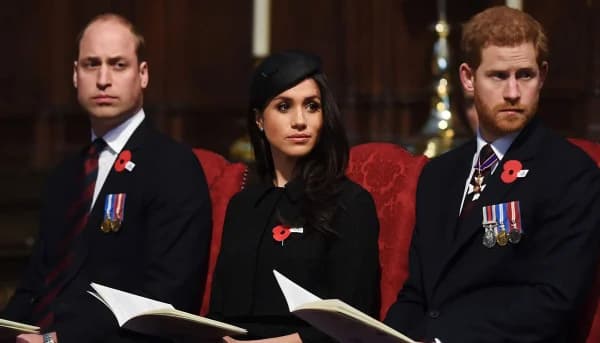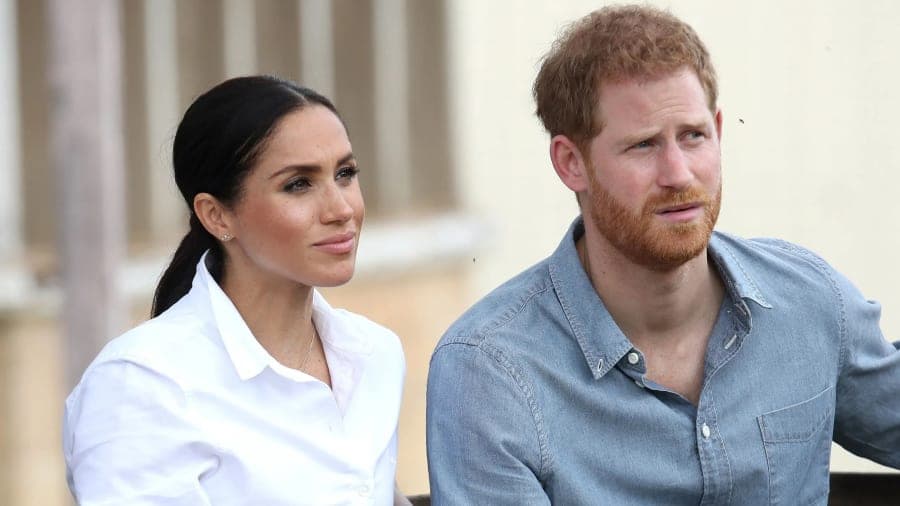
As Prince Harry and Meghan prepare to swap California sunshine for a British postcode, the British public has made one thing abundantly clear: it does not want to pick up the tab for their protection.
A YouGov poll of 2,128 adults, conducted for The Times, found that 71 per cent of respondents believe the government should not fund any of the Sussex family's security. A further 87 per cent said their private funds should cover all or the majority of the costs — a verdict that will make uncomfortable reading in Montecito, if not already in Whitehall.
A question nobody wants to answer
Despite the poll's clarity, politicians are being decidedly cagey. Prime Minister Andy Burnham declined to be drawn on the arrangements, calling the funding question a 'private matter'. It is a phrase that is unlikely to satisfy those wondering exactly who is responsible for keeping the Sussexes safe once they become permanent UK residents.
The issue is anything but straightforward. Since stepping back from royal duties in 2020, Harry has been locked in a protracted legal battle with the Home Office over his and his family's security entitlements while visiting the UK. At the end of June, he was still awaiting a review by the Risk Management Board, part of the process by which Ravec — the Executive Committee for the Protection of Royalty and Public Figures — determines his requirements. Ravec, which includes representatives from the Home Office, Metropolitan Police and Royal Household, is understood to be planning to restart that review.
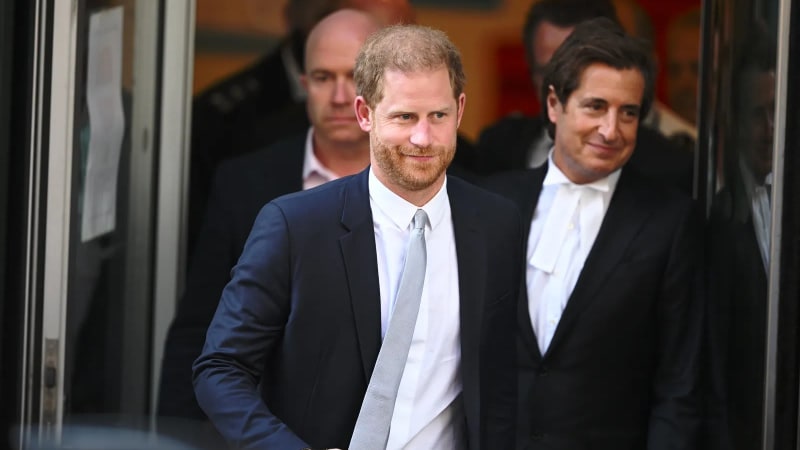
Harry's team and his security detail were reportedly working to ensure his July visit could go ahead safely while the formal process remains unresolved. With a permanent return now on the horizon, the stakes — financial and logistical — are considerably higher.
"The funding for it was a private matter," Prime Minister Andy Burnham said, declining to be drawn on the security arrangements for Harry and Meghan in the UK.
Schools, children and a new chapter
It emerged last week that Harry and Meghan have enrolled their two children, Archie, seven, and Lilibet, five, in British schools — the clearest sign yet that this return is permanent rather than provisional. The couple originally relocated to Montecito in 2020, and Meghan's lifestyle brand, As Ever, is expected to continue operating from their new UK base.
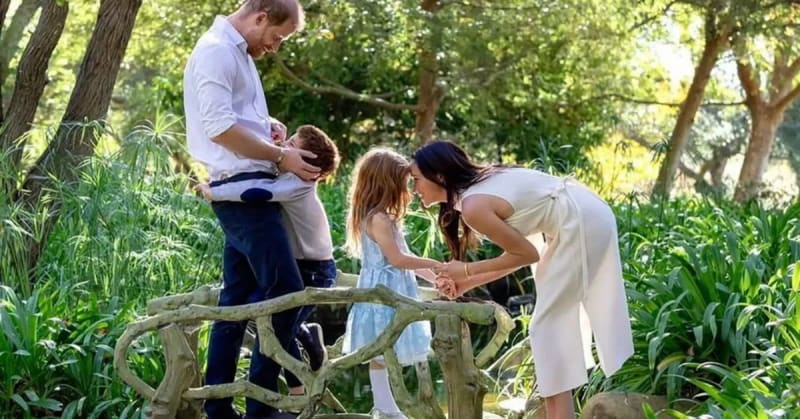
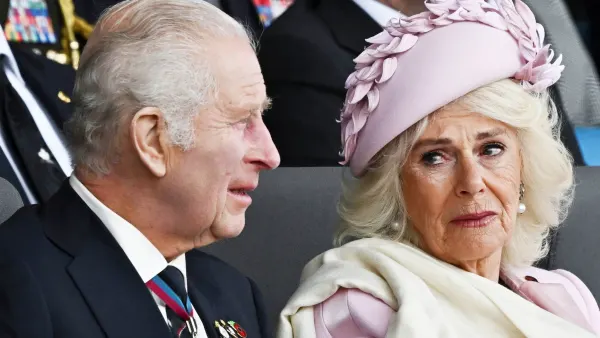
King Charles, who is reported to have found out about his son's plans just three days before they became public, is said to be pleased at the prospect of spending more time with the Sussex family. He has, however, made it clear they will not be returning as working royals. For the latest on the Royal Family, visit our royals section.
William and Harry: room for hope?
Perhaps the most unexpectedly warm finding in the poll concerns the brothers. Despite years of very public estrangement — the two are understood not to have spoken in some time and were last seen together at a family funeral in 2024 — 58 per cent of those surveyed said they wanted Harry and William to reconcile. Only 35 per cent felt it would not be possible.
"58 per cent said they wanted a reconciliation, but 35 per cent did not believe it would be possible" — YouGov poll for The Times, 2025.
William and Kate have not responded publicly to the news of the Sussexes' planned return. The couple may, however, have private conversations with the wider family during the summer break at Balmoral. Whether those conversations happen — and what form they take — will be watched very closely indeed.
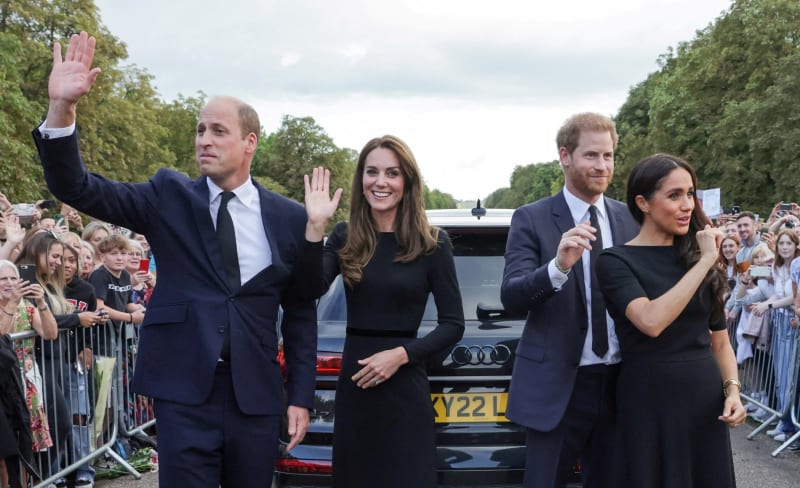
The approval gap between the two camps remains stark. In the same poll, 76 per cent of respondents held a favourable view of William, and 74 per cent of Kate. Harry's favourability stood at 31 per cent, and Meghan's at 22 per cent. More on the Sussexes in our celebrity section.
What happens next
With the Ravec review yet to conclude and no official word on security funding, the Sussexes' return is shaping up to be as complicated in practice as it has been in anticipation. The public has given its verdict. Now it is down to the government, the palace and the Sussexes themselves to figure out who pays — and how much.