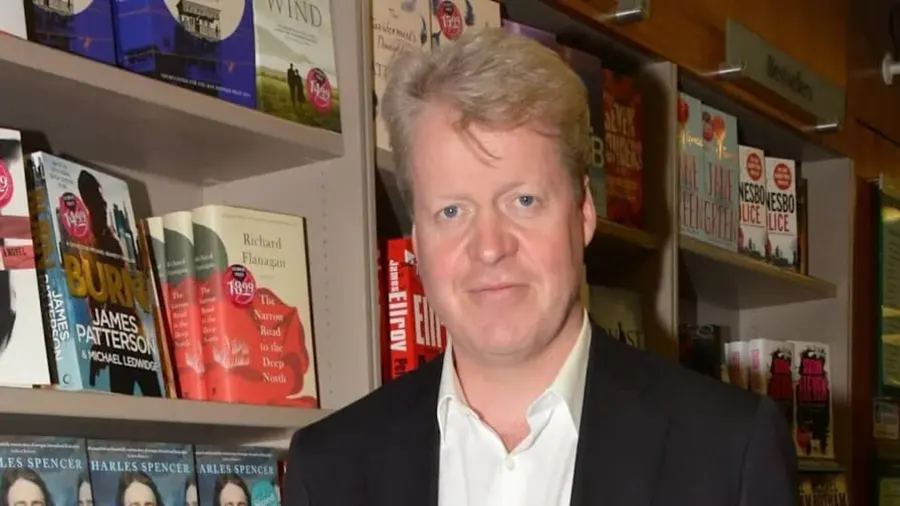
A Bombshell Beyond the Book
Just when it seemed Charles Spencer's explosive memoir couldn't generate any more shock waves, the Earl has delivered yet another extraordinary claim — this time alleging that Palace figures attempted to vet, and possibly veto, his now-legendary eulogy at Princess Diana's funeral in 1997.
Speaking to CNN's Kaitlan Collins on The Source, Spencer described the moment during the funeral rehearsal at Westminster Abbey when he walked to the pulpit, eulogy in pocket, and noticed shadowy figures emerging from the building's darkened corners.
"I thought, they're here to check what I'm going to say. I played the upper-class idiot and pretended I had left it at home, because I realised that they were trying to vet, perhaps veto what I said."
Rather than read from his prepared text, Spencer improvised a microphone check using a hymn book — reading just one line before the figures, apparently satisfied, stood down. It was, he says, the only way to protect his words from interference.
The Eulogy That Shook the Establishment
Spencer's eulogy, delivered to a congregation of 2,000 inside Westminster Abbey and watched by an estimated 2.5 billion people worldwide, remains one of the most striking public speeches in modern British history. It included a barely veiled rebuke of the Royal Family and a solemn pledge to protect Prince William and Harry — a promise that has taken on fresh and painful resonance in the weeks since Swan Song: Diana, My Sister was published.
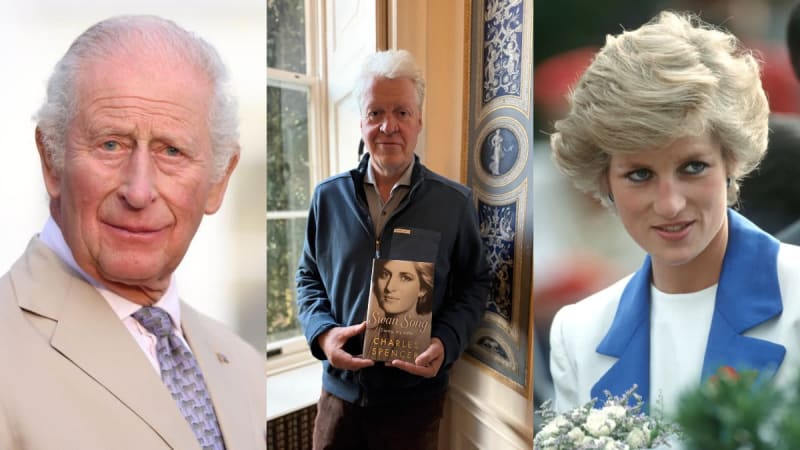
Asked by Collins whether he believed the Palace would have stopped him from delivering the eulogy had they known its contents in advance, Spencer was unequivocal. "I think so," he said. "I think there would have been an excuse that maybe time's too short in the service, and could you trim it a bit? And I think there would have been red pens all over it."
He added: "I was very conscious that I hadn't written something intentionally inflammatory, but I knew I had to say those words on Diana's behalf."
A Palace Already on the Defensive
The CNN interview lands as Buckingham Palace is already navigating the fallout from Spencer's wider allegations in Swan Song, published by Penguin Press. Chief among them is his claim that the then-Prince Charles, after Diana's death in a Paris car crash in August 1997, "sounded giddily elated — like a lottery winner" when Spencer spoke to him by phone. Spencer further alleges that Charles "went ballistic" during a row over William and Harry walking behind their mother's coffin — and that he hissed, "Rest assured, we'll forget her soon enough."
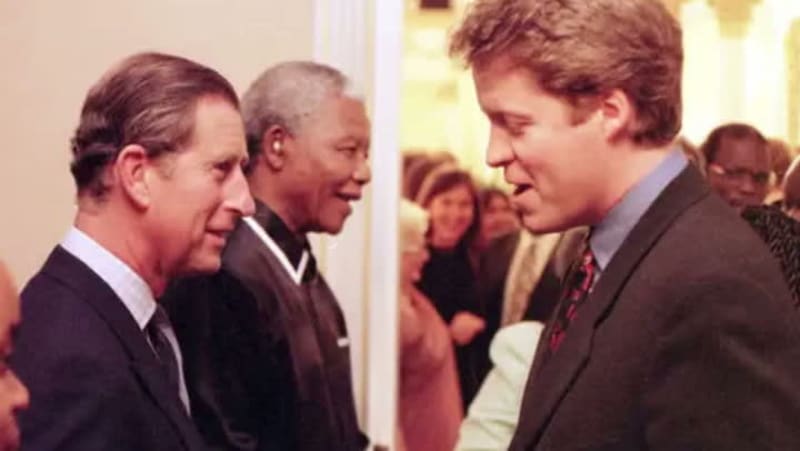
Buckingham Palace issued a rare strongly worded statement in response, saying: "His Majesty is mindful that the pain of fraternal grief can cloud reason, affect judgment and colour memory in ways others do not recognise, even many years after such a loss." A spokesperson confirmed to reporters the Palace had no further comment.
Spencer, for his part, has refused to back down, challenging King Charles III directly in a BBC interview: "Is he furious or is he embarrassed?"
William's Position and the Wider Fallout
Royal commentators say the memoir has created distinct and compounding problems for both King Charles and the Prince of Wales. Kinsey Schofield, host of Kinsey Schofield Unfiltered on YouTube, told Fox News Digital that the two men are furious for different reasons.
"For Prince William, there is an additional sense of betrayal. This is his uncle, who famously stood at Diana's funeral and promised that her 'blood family' would protect William and Harry."
Schofield added that William is also acutely aware of the institutional stakes. "William isn't just Charles' son. He is the future king. The monarchy Charles Spencer is attacking is the institution William will inherit."
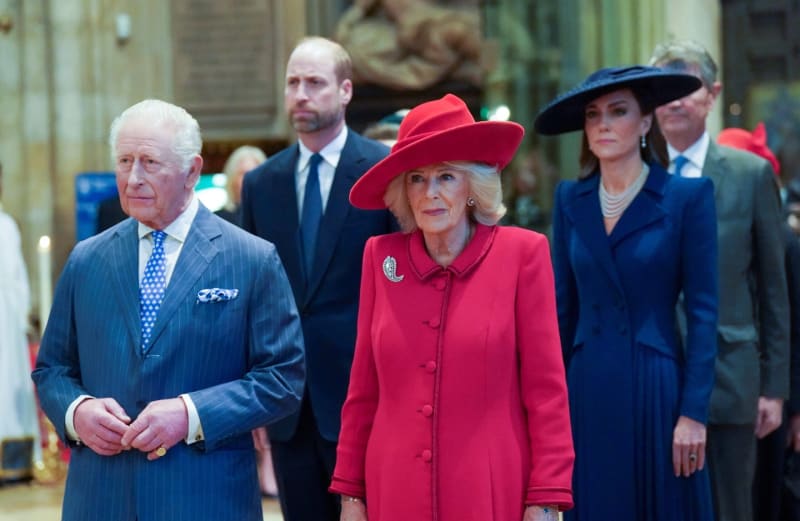
Critical response to the book has been mixed but consistently fascinated. Writing in the Guardian, Emma Brockes described Swan Song as "a fascinating document that tells us a little about Diana and a great deal about Charles Spencer." At the Times, Johanna Thomas-Corr called it "not just a defence of his sister, but a salvo in a Shakespearean blood feud between two aristocratic houses" — while noting that what makes it compelling is Spencer's refusal to use ghostwriters or spin doctors.
With Spencer showing no signs of stepping back from the media circuit, and the Palace locked into a posture of terse non-engagement, the story of Diana's death — and the bitter disputes it left behind — shows little sign of fading quietly into history.