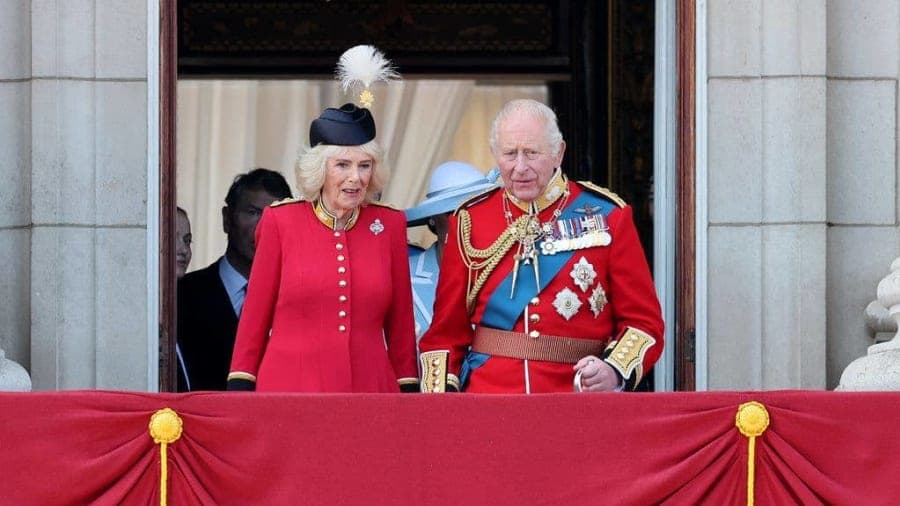
She has stood quietly at the King's side through scandal, grief and years of public doubt — but a new royal biography suggests Queen Camilla's influence over Charles is far more profound than the Palace has ever let on. In Divide & Rule, author Catherine Mayer writes that anyone who has witnessed the couple together cannot fail to notice something almost alchemical at work.
"With Camilla, you only need to see her and Charles together to understand that she has this… magical effect on him. It's transformative."
The effect, Mayer explains, is most visible when the King is under pressure. Observers would note Charles arriving to engagements visibly exhausted and out of sorts — only for Camilla to walk into the room and the whole atmosphere to shift. "She just lifts him," Mayer writes simply.

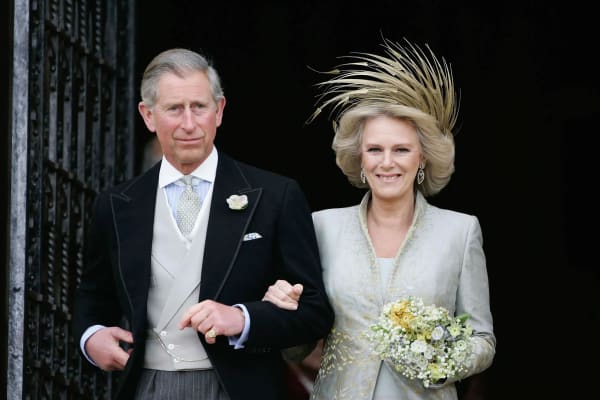
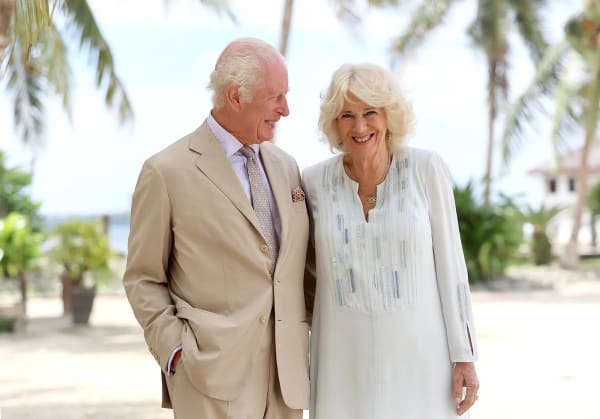
That dynamic, the book argues, is no accident. According to Mayer, Charles has long since "deemed Camilla's role in his life a 'non-negotiable'" — a stance that led to years of painstaking effort to reshape public perception of their relationship after the turbulence of their earlier lives. "He understood that this was the one woman who could really sustain him," she writes.
Quiet architects of royal change
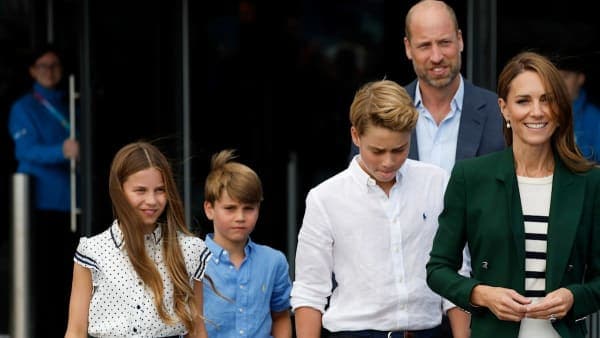
The portrait of Camilla as a steadying, quietly powerful force sits alongside a growing picture of her influence stretching well beyond the King's private world. Over recent months, as the royal family has navigated one of its most turbulent periods — culminating in the dramatic fall from grace of Andrew Mountbatten-Windsor — both Camilla and the Princess of Wales have been described in multiple media outlets as the driving force behind how the family has responded.
Royal commentator Katie Nicholl, co-host of the Royals Uncensored podcast, has been direct about what she believes is happening.
"It's very likely that Kate and Camilla wielded a quiet but incredibly powerful influence over both the King and Prince of Wales when it came to their response. Some describe them as the real power behind the throne."
The suggestion is striking: that in a family defined by its centuries-old hierarchy of bloodlines and titles, it is the women who married in — not those born to the crown — who have done the most consequential work in reshaping the monarchy's direction.
A love story decades in the making
The depth of Charles's attachment to Camilla, which Mayer's book places at the heart of everything, has roots stretching back more than five decades. The pair first met in 1970 at a polo match, and what followed was a relationship repeatedly interrupted by circumstance — his naval service, her first marriage, the long shadow of his own — before eventually becoming impossible to ignore or deny.
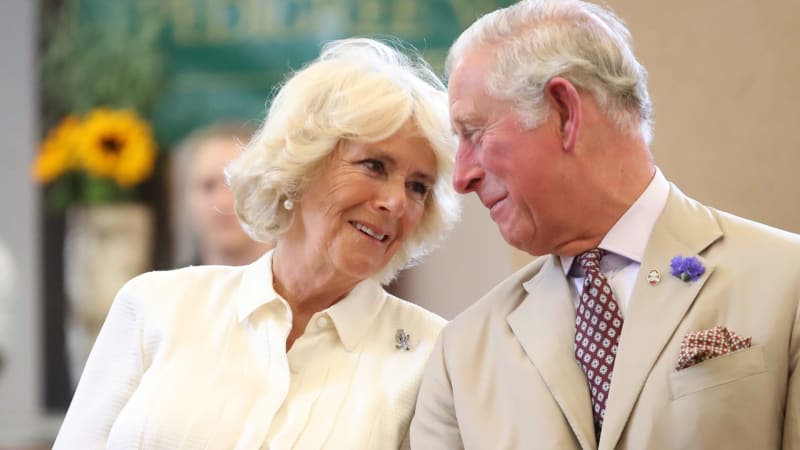
For royal watchers, the image Mayer captures — a stressed King lighting up the moment his wife enters the room — may be the clearest encapsulation yet of why Charles fought so hard, and for so long, to make their relationship work. Whatever the public verdict on the road they took to get here, the book leaves little doubt that for Charles, Camilla was always the destination.