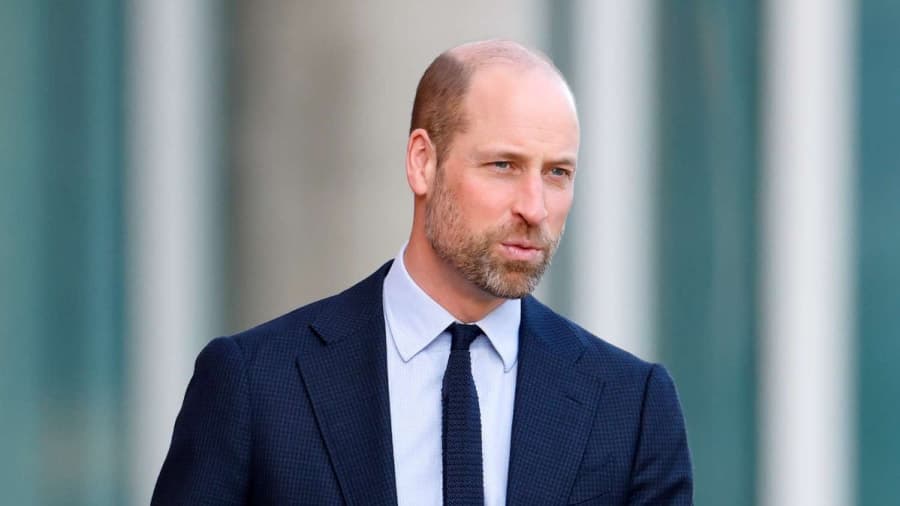
Prince William has opted to give up £1.5 million a year in rental income from HMP Dartmoor, insisting the money be spent regenerating the struggling Devon community that has been left reeling since the prison's closure.
The announcement marks what observers are calling the royal equivalent of a personal pay cut — a striking gesture from the Prince of Wales that underscores just how seriously he is taking his role as the Duchy of Cornwall's custodian.
A Village Left in the Dark
Princetown, a small, isolated settlement nestled in the heart of Dartmoor National Park, has long been defined by its prison. The Victorian-era jail, which once held around 600 prisoners, was effectively the village's lifeblood — providing jobs, sustaining local hospitality businesses, and drawing a steady flow of contractors and visitors. When HMP Dartmoor closed in July 2024 after dangerously high levels of the radioactive gas radon were detected in prisoners' accommodation, the effect on Princetown was immediate and brutal.
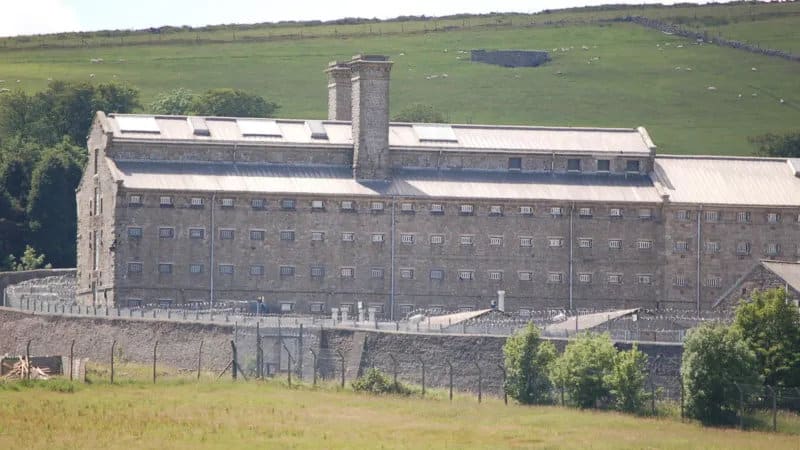
Locals describe the aftermath in stark terms. Shop units stand empty. B&Bs that were once booked solid seven nights a week now struggle for custom. The National Parks Authority visitor centre — which had been bringing up to 80,000 people a year into the area — also closed last year, compounding the damage. One pub landlord, speaking anonymously, put it simply: "They've switched the lights out. It has killed the village."
William's Decision
Despite the prison remaining closed, the Ministry of Justice continues to pay £1.5 million annually in rent for the land under a 25-year lease agreement signed in 2022 — a deal first reported by a joint Dispatches and Sunday Times investigation. That money has, until now, flowed into the Duchy of Cornwall's accounts, from which William draws his income to fund both his family and official working life.
From the 2026-27 financial year onwards, William has asked for that sum to be removed from his personal surplus entirely and ring-fenced for community regeneration instead. The Prince intends to maintain the arrangement until the end of the prison lease in 2033, if necessary — a potential commitment of up to £10.5 million over the remaining term.
"Prince William knows that for many people in Princetown, the prison has long been part of the fabric of the community. Its closure has created genuine uncertainty, not just about jobs and businesses, but about the future of the town itself."
Those words, from William's private secretary Ian Patrick, reflect an awareness the Prince has developed through repeated visits to the area. Since inheriting the Duchy upon his grandmother Queen Elizabeth II's death, William has made a point of getting to know Princetown personally — stopping into local shops, having a pint in the pub that bears his name — and has seen first-hand how rapidly things have deteriorated.
A Community Fund and a Duchy in Transition
A community-led regeneration fund will be launched next year, designed to deliver social, economic and environmental benefits across Princetown and the surrounding Dartmoor area. Local people will be given a meaningful role in shaping how the money is spent — a deliberate nod to the Prince's broader ambition to modernise the way the Duchy operates.
It is worth noting the wider financial context. William received a private income of £21.6 million in 2025-26, according to the latest Duchy accounts, and voluntarily pays income tax at the highest rate on any net surplus after official expenditure — a tax bill he publicly disclosed for the first time this year at £7.76 million. Voluntarily forgoing £1.5 million does not leave him short, but the symbolism of the decision — particularly at a time when the cost of living continues to weigh heavily on communities across the UK — is considerable.
The Duchy of Cornwall is a billion-pound landed estate covering 51,800 hectares across 19 counties, with origins stretching back 700 years. William has spoken previously of wanting a "root and branch" re-examination of how it operates and how to make it fit for the modern era. His decision over Dartmoor Prison rent looks very much like that vision being put into practice — and Princetown, for so long a town shaped by confinement, may yet find its future is one of its own making.