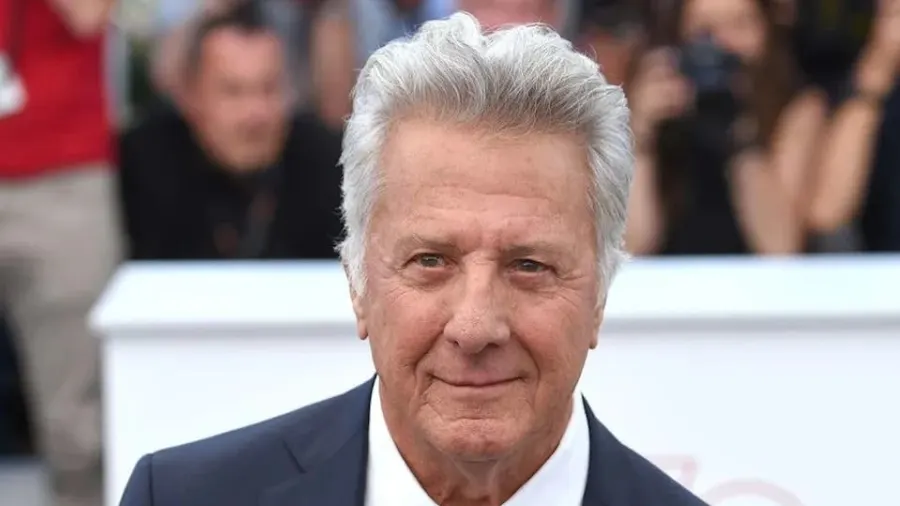
Dustin Hoffman has never been short of a story — but even by Hollywood standards, the anecdotes tumbling out of his new memoir are something else entirely. The 89-year-old screen legend's autobiography, Look at Me, published on 10 November, is already making waves for its candour, its contradictions, and its remarkable range: from a gun-toting cuckolded husband to a deeply uncomfortable reckoning with the #MeToo allegations that shadowed his later career.
A Gun, a Married Woman, and a Very Close Call
Hoffman set the internet alight this week after appearing on the Conan O'Brien Needs a Friend podcast on Monday, 9 November, where he recalled a terrifying episode from his youth involving an extramarital affair gone catastrophically wrong. Speaking with characteristic dramatic flair, he described being caught in bed by the unnamed woman's husband — who arrived armed.
"He walked in with a gun and pointed at me. His finger is on the trigger and you think, any second. You realise, that's it. I'm gonna die. You will do anything to avoid getting killed."
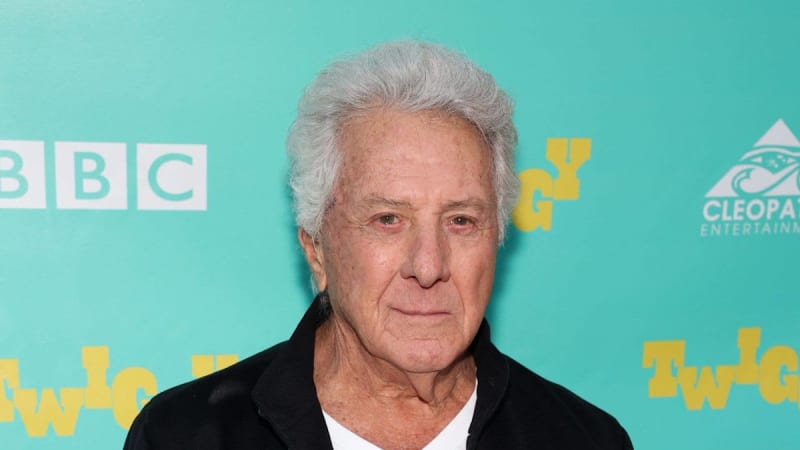
Hoffman told host Conan O'Brien that the sight of a gun barrel trained directly at him — "that hole is much bigger than the actual hole" — crystallised the fragility of human existence in a way that no acting exercise ever could. He said he genuinely believed he was about to be shot. The woman's husband ordered him out, and — understandably — Hoffman obliged.
The #MeToo Chapter Nobody Can Ignore
Far weightier, and far less entertaining, is Look at Me's treatment of the sexual misconduct allegations made against Hoffman in 2017. Eight women accused him of behaviour ranging from inappropriate comments and indecent exposure to unwanted sexual contact and, in the most serious claims, forced oral sex. Two of the women alleged they were minors when the alleged incidents occurred.
Hoffman has disputed the allegations, insisting he has never taken anything sexual from someone against their wishes. In the memoir, he writes that he had actively welcomed the #MeToo movement when it first gathered momentum in Hollywood, believing that women in the entertainment industry had endured unacceptable treatment for far too long — only to find himself accused of precisely the kind of conduct he thought he was condemning.
"He described struggling to reconcile his support for the movement with his desire to challenge accusations he considered untrue," according to reporting by TheWrap, which reviewed the memoir ahead of publication.
Hoffman acknowledges in the book that his past behaviour on set — a fondness for crude jokes, a blokish sense of humour rooted in a different era — may have made some women uncomfortable, and that attitudes towards workplace conduct were markedly different decades ago. However, he continues to dispute the more serious allegations and suggests his sense of humour may have been misread by those around him. Critics, predictably, have found that distinction less than satisfying, and the memoir has reignited fierce debate online about the gap between expressing regret for making someone uncomfortable and accepting responsibility for alleged sexual assault. Those are not the same thing, and many commentators have been quick to say so.
A Life Bigger Than One Role
The controversy should not entirely eclipse what is, by all accounts, a genuinely compelling portrait of an era-defining career. Look at Me — co-written with New Yorker staff writer Ariel Levy — traces Hoffman's journey from a scrappy, self-conscious kid in a secular Jewish household in California, whose mother encouraged him to get a nose job at the age of 12 (at the same time as she was getting hers), to the unlikely leading man who rewrote the rules of Hollywood stardom.
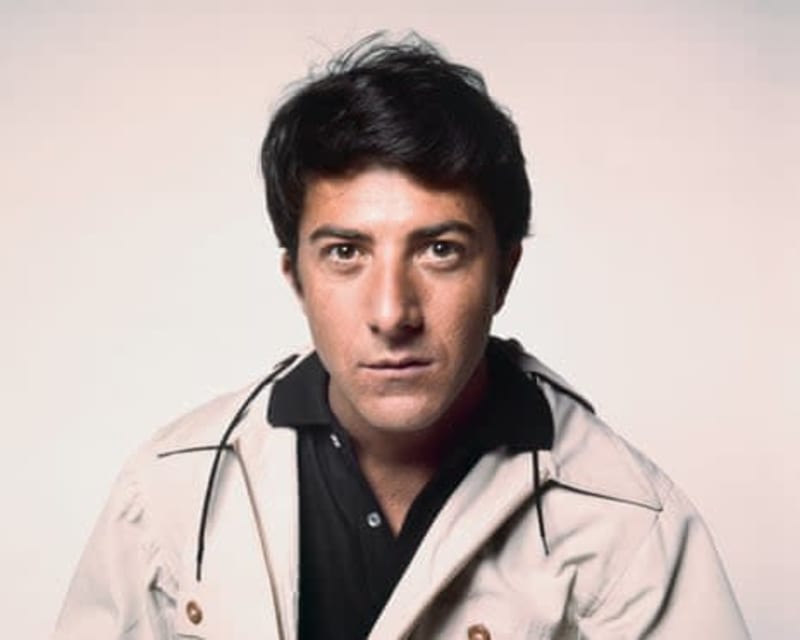
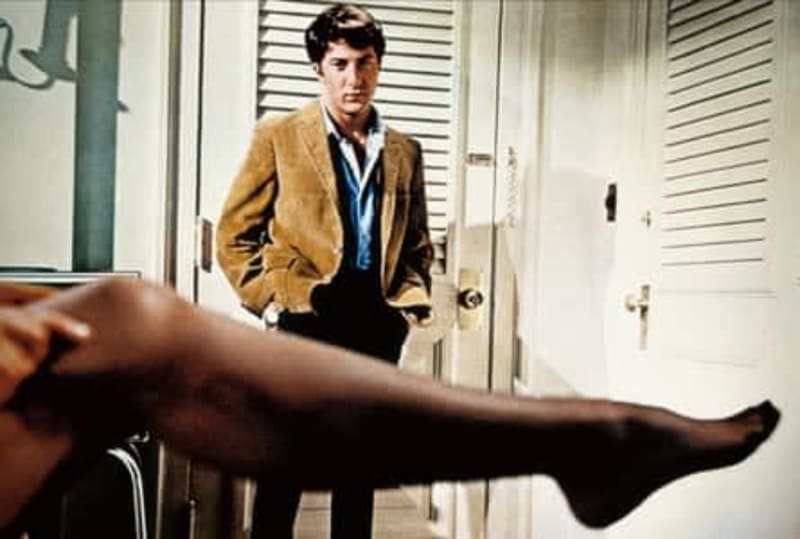
It was Mike Nichols who first spotted what others missed, casting Hoffman — then 30, made up to look younger — as the hapless Benjamin Braddock in The Graduate when audiences had expected someone closer to Robert Redford in type. His co-star Anne Bancroft was 36, lit to look older. The book revisits that sexist imbalance with a degree of reflection, as well as the antisemitic undertow Hoffman detected in press mockery of his looks throughout that period. From there came Ratso Rizzo in Midnight Cowboy, then Kramer vs. Kramer, then Rain Man — a career that proved, repeatedly, that leading men need not look like gods to command a cinema screen.
The memoir also finally puts to rest one of Hollywood's most repeated anecdotes: the story of Hoffman staying up all night in solemn method-acting dedication before filming Marathon Man, only to be told by Laurence Olivier to "try acting, dear boy." Hoffman reveals the real version: he had been up all night partying and doing coke at Studio 54, arrived on set looking dreadful, and Olivier's remark was an amused, knowing quip — not a putdown of a pompous purist. A Vanity Fair journalist later stripped the irony from the story and repackaged it at Hoffman's expense.
At 89, Dustin Hoffman remains as complicated, as contradictory, and as difficult to look away from as he has always been. Look at Me is exactly the title he deserves.