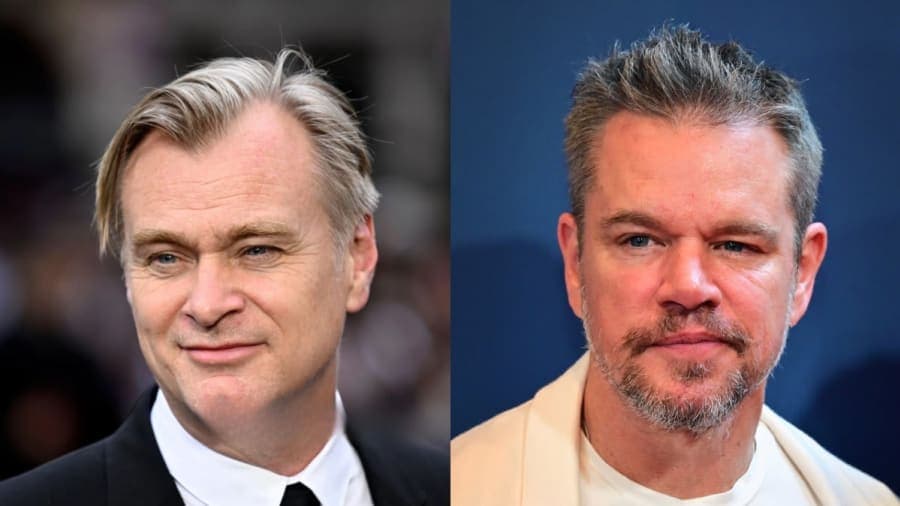
Christopher Nolan has built a reputation for making films that demand the biggest screen possible, but if the first wave of critical reactions to The Odyssey are anything to go by, it is not the IMAX spectacle that will stay with audiences longest — it is Matt Damon.
Early responses to Nolan's 13th feature, which adapts Homer's ancient epic for a summer 2026 global release, have been overwhelmingly positive, with critics describing the film as "staggering", "breathtaking" and "a filmmaking feast". Yet amid all the praise for its large-scale battle sequences and immersive practical effects, one theme keeps surfacing: Damon's portrayal of Odysseus is being called a career-defining performance, with more than one early viewer already placing him in the Best Actor conversation ahead of awards season.
The Unexpected Emotional Anchor
Damon plays Odysseus, the king of Ithaca, navigating a perilous journey home from the Trojan War — battling gods, monsters and his own choices in pursuit of reunion.
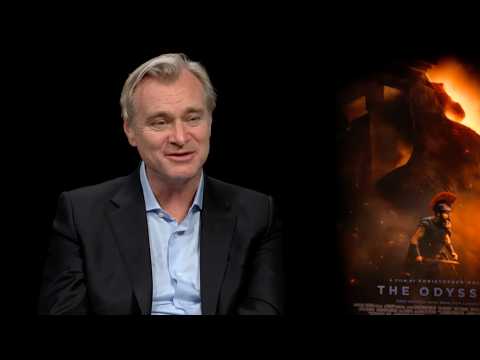
Critics describe his performance as commanding yet restrained, capturing both the physical endurance of the legendary king and the psychological weight of a man whose homecoming has been delayed far beyond endurance. Several reviewers have gone as far as calling it one of the strongest performances of his career to date.
"Matt Damon's Odysseus is a career-defining turn" — a sentiment repeated across multiple early reactions, with his name already being floated in Best Actor conversations.
The broader ensemble has also drawn strong notices. Robert Pattinson, playing antagonist Antinous, is being singled out as a scene-stealer, while Anne Hathaway, Tom Holland, Lupita Nyong'o and John Leguizamo have been praised for lending the sprawling epic genuine emotional depth rather than simply filling out its mythic canvas.
The Scale Nolan Promised — and Then Some
Shot entirely on IMAX cameras, The Odyssey has delivered the visual ambition that was always expected from a director who has spent years pushing the format to its limits. Battle set pieces and seafaring sequences are being described as pure cinematic spectacle, with multiple critics urging audiences to seek out the largest screen available. Several have already tagged it as Nolan's biggest film to date — not merely in runtime and budget, but in emotional scope.

Coming off the Oscar-sweeping success of Oppenheimer, Nolan's decision to turn to classical myth marks a significant shift in subject matter, though early reactions suggest his filmmaking instincts remain firmly intact. Universal has positioned the film as its centrepiece tentpole for summer 2026, with a global rollout beginning 17 July and premieres planned across London, Paris, Mumbai, New York, Beijing and Seoul.
One Reservation Among the Praise
The enthusiasm is not entirely without qualification. A handful of critics noted that the nearly three-hour runtime loses some momentum in its middle stretches, with pacing described as uneven before the story builds to its emotional finale. The final act, however, is widely praised — and the minority view on pacing has done little to dampen an overwhelmingly positive early consensus.
"The final act rewards the journey" — a phrase repeated across several early reactions, even from those who found certain sections of the film uneven.
Full reviews remain under embargo ahead of the July release, but the picture already taking shape is of a film that transcends the historical epic genre by grounding its mythic scale in genuine human drama. For film audiences anticipating the summer's big event cinema, The Odyssey appears to be delivering on every front — and then some.
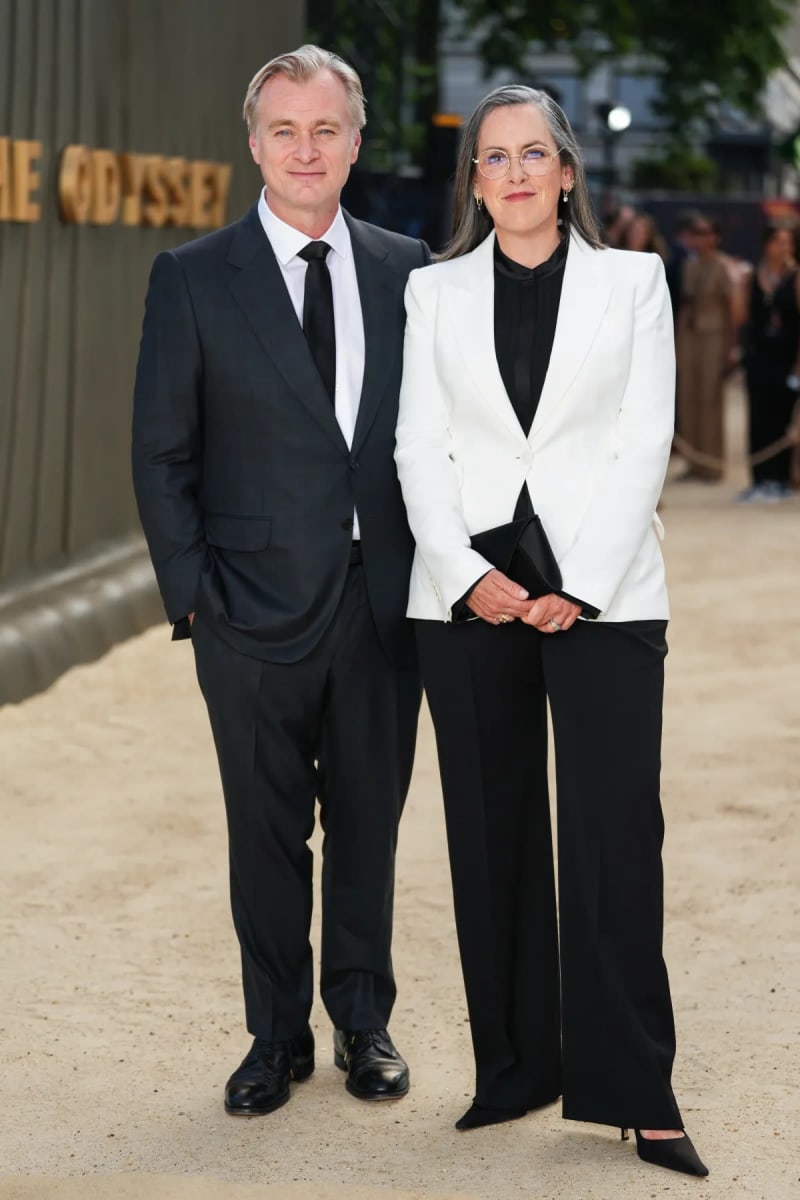
Whether Damon can translate this early critical warmth into a serious awards campaign remains to be seen. But if the first reactions hold, Nolan may have handed him the role of a lifetime — and audiences a summer film worth the wait.